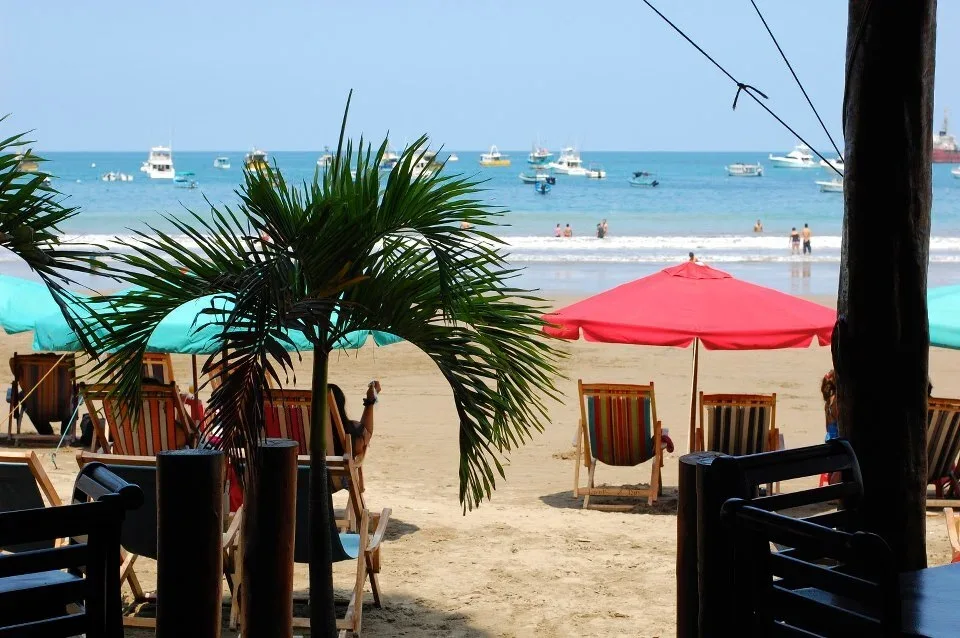

Traveling off-season can mean lower costs, fewer crowds and more room to slow down. The catch is choosing dates that still deliver the trip you want. A cheaper room is poor value if the ferry is not running or your must-see attraction is closed.
Off-season means a period of lower visitor demand at a particular destination. Shoulder season is the transition around a busy period. Neither has a universal calendar: school holidays, festivals and local weather can turn an otherwise quiet week into a busy one.
1. Spend Less on the Parts That Matter
Flights, hotels and tours may cost less when demand falls, but compare actual quotes rather than assuming a fixed discount. Search the same itinerary across several date combinations, keeping room type, baggage, meals and cancellation terms consistent.
- Compare the total stay cost, including taxes, transport and any nights added by an inconvenient flight.
- Check the hotel directly as well as booking platforms. Ask what is included instead of expecting an upgrade.
- Keep a small buffer for weather-related changes to activities or transport.
There is no single booking window that works for every trip. If your dates are flexible, use fare alerts and record the complete price before deciding. The free travel money check-up helps you review spending habits before adding more bookings.
2. Enjoy Quieter Attractions
A less busy travel period can mean shorter queues and more space to enjoy a museum, beach or town center. Still check what is happening on your exact dates. A major festival, cruise arrival or local holiday can bring crowds even during a generally quiet month.
Reserve any essential timed-entry tickets and check opening days before building the rest of your itinerary around them. A quieter season does not remove reservation requirements or capacity limits. Try an early visit when it suits the attraction, and leave time to explore beyond the best-known photo stop.
3. Make Room for More Flexible Plans
With less competition, you may have more choice of accommodation or activity times. That is a reason to compare options, not a promise of last-minute availability. Some operators reduce departures or close for maintenance when demand is low.
Cancellation flexibility comes from the rate or ticket you buy, not the season. Read the deadline, time zone, refund method, change charges and any fare difference before paying. If you are comparing insurance, read its actual coverage and exclusions rather than assuming it covers every change of plan.
4. See a Different Side of the Destination
Seasonal landscapes, markets and events can make a quieter trip rewarding. Choose the experience first, then check its timing with the operator or official destination calendar. Do not assume a spring or fall trip is automatically off-season, or that rainy weather is limited to a brief afternoon shower.
Costa Rica is a useful example of why region matters. Visit Costa Rica's official climate guide describes a Pacific rainy season from May to October, with November a transition month. It identifies relatively drier Caribbean coastal periods in February–March and September–October. Conditions vary by area and year.
The tourism board's seasonal planning guide also warns that some hotels and attractions close during the peak green season, particularly in the south. Use the Costa Rica timing guide to narrow your options, then confirm the businesses and activities you need are operating.
5. Leave Time for Local Connections
A slower itinerary gives you room for a conversation in a market, a cooking class or an artisan workshop. Smaller groups may make it easier to ask questions, but quieter streets do not mean local people are available to entertain visitors.
Learn a few useful phrases, ask before photographing people and respect the rules at cultural or religious sites. Choose experiences people have explicitly opened to visitors. Check workshop dates ahead of time and pay the stated price for the time and skill involved.
6. Spread Your Spending Beyond the Busiest Weeks
Visiting an open, locally run business in a quieter period can direct your spending beyond the busiest weeks. It can also reduce your contribution to crowding at a popular site on a peak day. That does not make the whole trip environmentally beneficial by default.
Respect closures and visitor limits, stay on permitted routes, and choose places with the services your visit requires. Moving into a residential neighborhood is not automatically a solution to overtourism. Follow local guidance and avoid treating sensitive places as uncrowded substitutes for established attractions.
7. Have More Time to Ask for Advice
When a business is less busy, staff may have more time to explain a menu, suggest an outing or help you adjust a plan. Reduced staffing can also mean shorter hours and fewer services. Confirm what is available rather than judging a hotel by its peak-season description.
Ask about the breakfast schedule, reception hours, transport and tour minimums before booking. If a particular service is essential, get confirmation in writing. Be courteous about requests for different rooms or departure times; upgrades and special arrangements remain discretionary.
Your Off-Season Booking Checklist
| Check | What to confirm |
|---|---|
| Dates | Local holidays, events and expected demand on your exact week. |
| Weather | Regional seasonal patterns, then current forecasts near departure. |
| Access | Opening days, transport timetables and activity departures. |
| Value | Total cost for comparable rooms, fares and inclusions. |
| Flexibility | Written refund and change terms, plus a workable backup day. |
For Costa Rica, start by choosing a base with the Guanacaste area guide. Then compare hotel options for your dates and verify the property's operating services before paying. Keep your must-do activity on a flexible day where possible, and leave space to enjoy the slower pace you came for.