### Northern Sky Mysteries: Chasing the Aurora Borealis
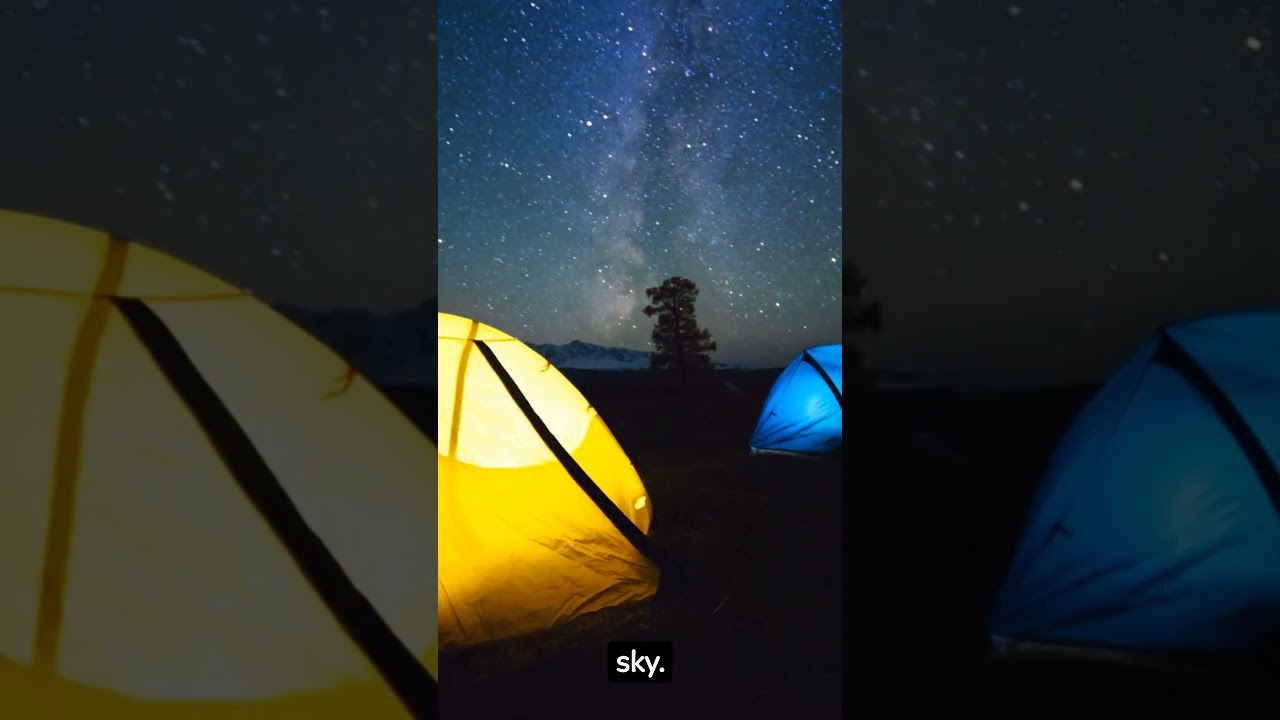
There’s something utterly captivating about the northern sky. It’s a realm filled with atmospheric phenomena that feel like a puzzle wrapped in dazzling colors. The Northern Lights, or Aurora Borealis, are perhaps the most famous of these mysteries. Witnessing the ethereal dance of vibrant greens, purples, and reds across a star-studded sky is something words can hardly capture. It’s an experience you have to feel. I remember the first time I saw the Northern Lights; it was as if nature herself was performing an all-encompassing symphony, and I was privileged to be among her audience.
You might think such a celestial spectacle is reserved only for the most intrepid adventurers or the lucky few living in polar regions. Still, with a bit of planning and some insider tips, it can be an achievable bucket list experience for anyone.
### Where to Catch the Best Shows
The best views of the Aurora Borealis are near the magnetic poles, within what is called the “Auroral Zone.” In the northern hemisphere, this zone includes parts of Norway, Sweden, Finland, Iceland, Canada, and Alaska in the USA. Each location offers its unique charm and challenges.
#### Norway’s Tromsø
Dubbed the “Gateway to the Arctic,” Tromsø is one of my personal favorites. The city is nestled amidst fjords and mountains, offering both cultural experiences and natural wonders. The period from September to April gives you decent odds of catching the lights, especially if you venture into the quieter countryside. Clear skies are crucial, so always have a flexible itinerary.
Tromsø is not just about the auroras. While waiting for the sky show, you can enjoy dog sledding, or take a cable car up Mount Storsteinen for panoramic views of the city. If you’re keen on local culture, the Sami community offers fascinating insights into indigenous ways of life.
#### Sweden’s Abisko
Known as one of the most reliable places to see the Northern Lights, Abisko’s microclimate reduces cloud cover, increasing your viewing chances. It’s a bit of a trek to get there, requiring travel from Kiruna, but a visit to Abisko National Park rewards you with stunning wilderness adventures. Plus, the Aurora Sky Station offers superb observational decks and exhibits that enhance your understanding of this celestial phenomenon.
#### Finland’s Lapland
Northern Finland entices with its cozy lodgings like glass igloos and Aurora cabins, allowing you to see the lights without stepping outside. After a day of dog sledding or meeting reindeer, relaxing indoors as the aurora swirls overhead is divine. Rovianemi, the official hometown of Santa Claus, is a charming base to explore Lapland’s wintry magic.
#### Iceland
Beyond its geothermal features and dramatic landscapes, Iceland’s capital Reykjavik is a convenient base for exploring the countryside, making it possible to combine city life with aurora chasing. Opt for a road trip along the famed Golden Circle during the day, then scout for auroras at night. Remember, weather shifts dramatically, so patience is key.
#### Fairbanks, Alaska
A surprisingly accessible U.S. location for aurora chasers, Fairbanks boasts clear skies and a wide range of tours dedicated to maximizing viewing conditions. Chena Hot Springs Resort offers a unique experience — soaking in thermal waters while the auroras dance overhead. Additionally, visiting the museum at the University of Alaska Fairbanks provides enriching insights into auroral science.
### Timing Your Trip
The auroras are by no means guaranteed — they’re part of nature’s unpredictable wonders. Your best bet to witness them is during the long, dark nights of winter, from late September to early April. Interestingly, the auroral activity follows an 11-year solar cycle, with increased solar activity (thus auroras) peaking roughly every 11 years. But don’t fret if your trip doesn’t coincide with a peak; auroras appear often and just require a bit of patience and luck.
### Practical Tips for Aurora Chasing
1. **Stay a Few Days:** The lights are unpredictable. Giving yourself a window of a few days increases your chances of finding clear skies and active solar weather.
2. **Check the Forecast:** Websites and apps can predict auroral activity days in advance. It’s a blend of art and science, with factors like solar wind speeds and interplanetary magnetic fields in play.
3. **Dress Warmly:** We’re talking layers, folks. When you’re standing in cold temperatures for potentially hours, you’ll want to be fully insulated.
4. **Avoid Light Pollution:** Venturing away from city lights is crucial. Consider guided tours for an often foolproof way to find perfect viewing spots.
5. **Photography Gear:** Don’t forget your camera with a good tripod. A DSLR or mirrorless camera with low aperture settings (f-2.8 or lower) will capture the most vivid colors. A wide-angle lens is also a wise choice.
### Sustainable Aurora Viewing
We can’t chat about enjoying the Earth’s treasures without a nod to sustainability. In these remote, often vulnerable ecosystems, make sure your travel footprint is minimal. Travel with operators who respect local cultures and wildlife. Leave nature as untouched as you found it, and remember the old epigram: leave nothing but footprints, take nothing but photos.
### Conclusion
While maps and travel guides can point you physically north, chasing the Northern Lights is as much about spirit and wonder as it is about direction. There’s an emotional resonance that stays with you long after the auroras have faded. You end up with a renewed appreciation for the world and a reminder of our place in the universe. So, when you venture out toward the cold, unyielding north to uncover these sky mysteries, embrace each moment — each chill and quiet pause — and let the luminous dance above remind you of earth’s rare magic.