South America Travel Guide
Explore
South America Guide
South America Travel Guide Introduction
Welcome to the ultimate South America Travel Guide! If you’re an adventurous soul seeking new experiences, South America is the perfect destination for you. This diverse continent is a treasure trove of natural wonders, ancient civilizations, vibrant cultures, and mouthwatering cuisines. Whether you’re a history buff, a nature enthusiast, or simply looking to soak up the sun on pristine beaches, South America has it all. In this guide, we’ll take you through the most captivating destinations, must-visit attractions, travel tips, and much more. So, buckle up and get ready for an exhilarating journey through South America!
What Makes South America a Unique Travel Destination?
South America is a land of diversity, boasting a myriad of unique features that set it apart from other continents. From the majestic peaks of the Andes to the lush Amazon rainforest and the stunning beaches along the coastline, the continent offers a remarkable variety of landscapes. Its rich history is evident in the ancient ruins of Machu Picchu, the mysterious Nazca Lines, and the fascinating Inca civilization. The fusion of indigenous cultures with European influences has given rise to vibrant traditions, art, music, and dance. South America is a sensory feast that promises a captivating experience like no other.
Top Destinations to Explore in South America
Machu Picchu, Peru
Machu Picchu is an architectural wonder and a UNESCO World Heritage Site. This ancient Incan citadel perched high in the Andes Mountains offers breathtaking panoramic views and a glimpse into the mysterious past of the Incas. Hike the Inca Trail to reach this iconic site or take a scenic train ride through the picturesque Urubamba Valley.
Rio de Janeiro, Brazil
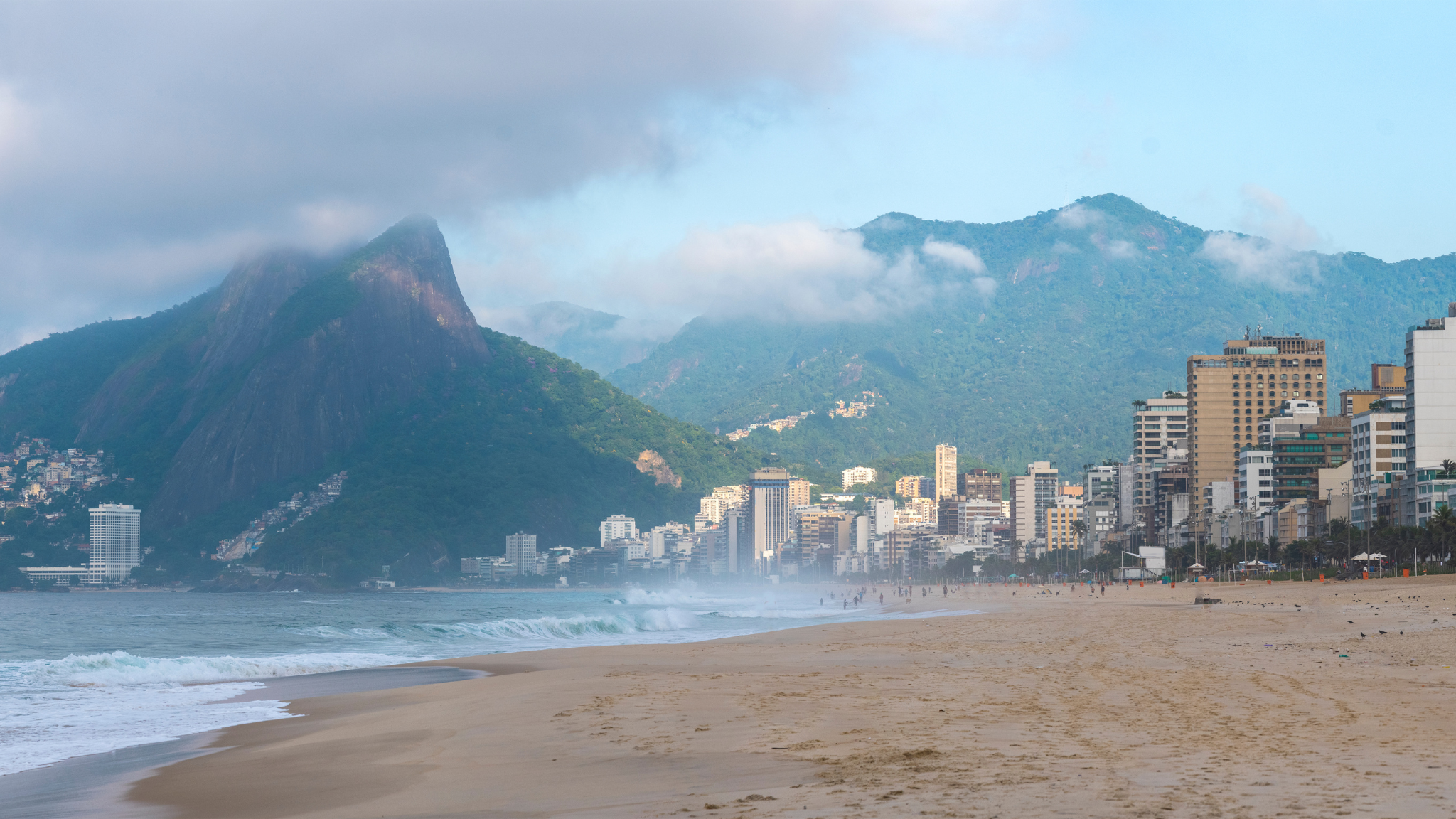
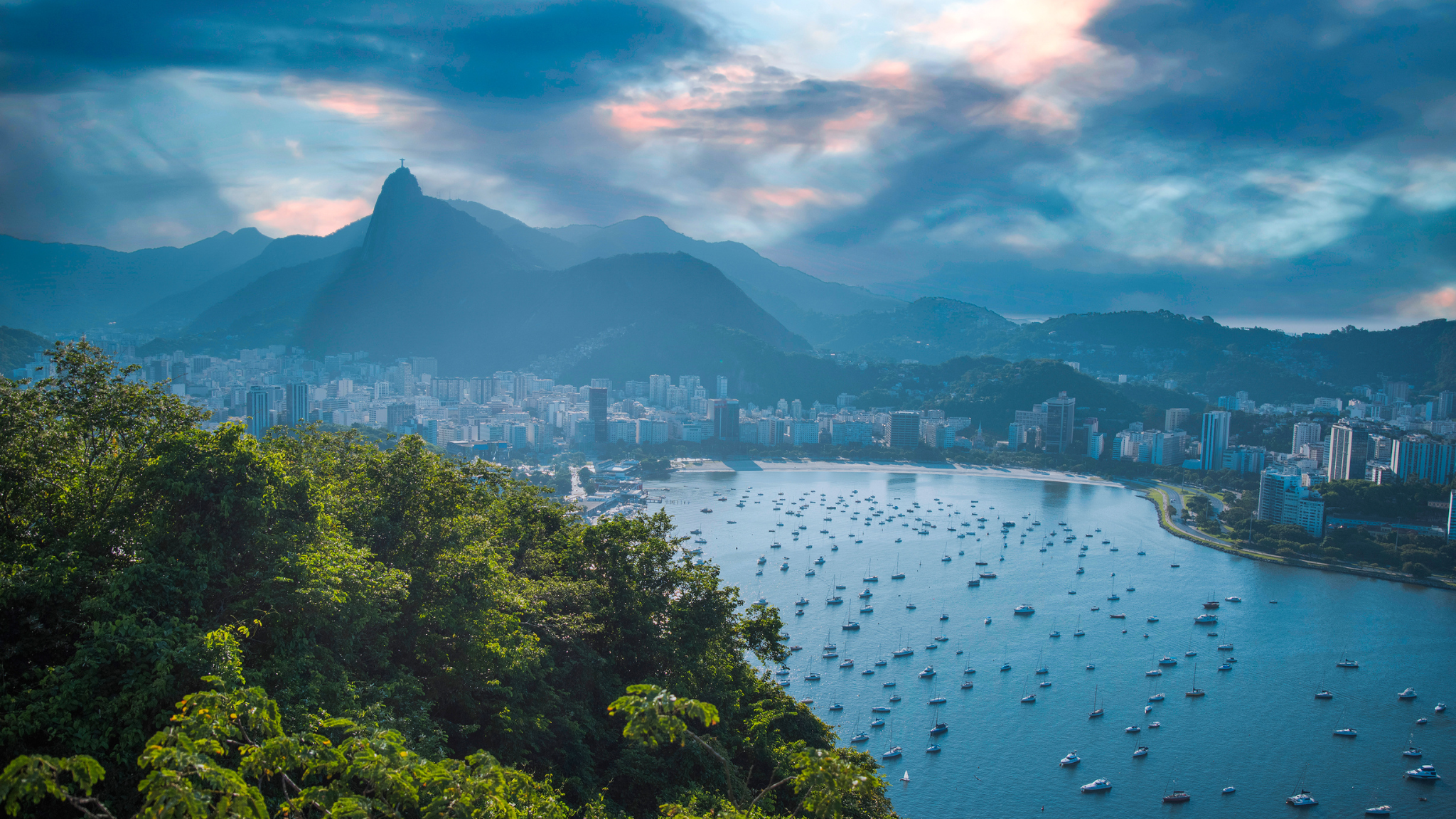
Known for its lively Carnival celebrations and iconic Christ the Redeemer statue, Rio de Janeiro is a city that never fails to mesmerize visitors. Explore the stunning beaches of Copacabana and Ipanema, samba through the night, and indulge in the delectable Brazilian cuisine.
Galapagos Islands, Ecuador
Nature enthusiasts will be in awe of the Galapagos Islands, a living laboratory of evolution. This remote archipelago offers unparalleled opportunities for wildlife encounters, including swimming with sea lions and observing giant tortoises in their natural habitat.
Buenos Aires, Argentina
The “Paris of South America,” Buenos Aires, is a city of tango, passion, and rich cultural heritage. Explore the historic neighborhoods, indulge in Argentine wine and steak, and witness an authentic tango performance in one of the city’s charming milongas.
Salar de Uyuni, Bolivia
The world’s largest salt flat, Salar de Uyuni, is a surreal landscape that seems like something out of a dream. During the rainy season, the flat mirrors the sky, creating an otherworldly optical illusion.
Safety Tips for Traveling in South America
While South America is an enchanting destination, it’s essential to prioritize safety during your travels. Here are some valuable tips to ensure a smooth and secure journey:
Research Before You Go
Prioritize research about your destinations, including local customs, traditions, and potential safety concerns. Stay updated on travel advisories issued by your government.
Blend In with Locals
Avoid drawing unnecessary attention to yourself by dressing modestly and not flaunting expensive belongings. Learning a few phrases in the local language can also go a long way in building rapport with locals.
Stay Aware of Your Surroundings
Be vigilant in crowded places and tourist hotspots, as they are often targeted by pickpockets. Keep your belongings secure and consider using a money belt or neck pouch.
Use Reliable Transportation
When traveling between cities or countries, opt for reputable transportation services. Avoid hailing unmarked taxis, and use rideshare apps or licensed taxis instead.
Avoid Dark and Isolated Areas
In the evening, stick to well-lit and busy areas. Avoid wandering into unfamiliar neighborhoods or isolated spots, especially after dark.
The Culinary Delights of South America
South America’s cuisine is a delicious reflection of its cultural diversity. Each country boasts its own unique flavors and culinary traditions. Let’s explore some mouthwatering dishes you must try during your visit:
Ceviche (Peru)
A refreshing and tangy dish, ceviche is made from fresh seafood marinated in lime juice, chilies, onions, and cilantro. It’s a delightful appetizer that perfectly complements a warm day.
Feijoada (Brazil)
Brazil’s national dish, feijoada, is a hearty stew made from black beans, various cuts of meat, and spices. It’s a true representation of the country’s love for rich and flavorful food.
Empanadas (Argentina)
These savory pastries are a popular street food in Argentina. Stuffed with various fillings, such as beef, chicken, cheese, or vegetables, empanadas make for a satisfying snack.
Arepas (Colombia and Venezuela)
A versatile and delicious staple in Colombian and Venezuelan cuisine, arepas are cornmeal cakes filled with cheese, meat, avocado, or beans. They are a must-try for any food lover.
Asado (Uruguay)
In Uruguay, asado refers to a traditional barbecue, and it’s an essential part of the country’s culinary culture. Enjoy various cuts of succulent grilled meats served with salads and chimichurri sauce.
Visa Requirements for South America
Before embarking on your South American adventure, ensure you have the necessary visas for your chosen destinations. Visa requirements vary from country to country, so it’s crucial to check with the respective embassies or consulates beforehand.
Best Time to Visit South America
South America’s vast size means its climate varies significantly from region to region. The best time to visit depends on the countries you plan to explore and the activities you wish to undertake.
Patagonia (Argentina and Chile)
For trekking and outdoor activities in Patagonia, visit during the austral summer (December to February) when the weather is milder.
Amazon Rainforest (Brazil, Peru, Ecuador)
The Amazon experiences heavy rainfall throughout the year, but the dry season (June to November) is ideal for jungle excursions and wildlife spotting.
Andean Countries (Peru, Bolivia, Ecuador)
The dry season (May to September) is the best time to visit the Andean countries for clear skies and pleasant weather.
Coastal Regions
For beach vacations, visit the coastal regions during their respective summer seasons.
Must-Have Experiences in South America
Trek to Machu Picchu
Embark on the iconic Inca Trail or opt for alternative treks to reach the mystical Machu Picchu and witness the sunrise over the ancient ruins.
Explore the Amazon
Take a guided tour deep into the Amazon rainforest to witness its unparalleled biodiversity and immerse yourself in nature.
Dance the Night Away in Rio de Janeiro
Experience the vibrant energy of Rio’s Carnival or join a samba club to dance the night away with the locals.
Hike the W Trek in Patagonia
Discover the stunning landscapes of Patagonia while hiking the famous W Trek, passing glaciers, lakes, and awe-inspiring mountains.
Discover the Galapagos Wildlife
Go on a cruise through the Galapagos Islands to observe the unique and diverse wildlife that inspired Charles Darwin’s theory of evolution.
Wander Through the Atacama Desert
Explore the otherworldly landscapes of the Atacama Desert, home to salt flats, geysers, and breathtaking starry skies.
Practical Tips for Traveling in South America
Pack Light and Smart
Bring versatile clothing suitable for various climates and activities. Don’t forget essentials like sunscreen, insect repellent, and a good camera.
Stay Hydrated
The continent’s diverse climates can be challenging, so always carry a refillable water bottle to stay hydrated.
Prepare for Altitude Sickness
If you plan to visit high-altitude regions, such as Cusco or La Paz, acclimatize gradually to avoid altitude sickness.
Use Local Transportation
Opt for local buses or trains to experience authentic travel and interact with locals.
Stay Connected
Purchase a local SIM card or portable Wi-Fi device to stay connected and access maps and travel apps.
Getting Around South America
South America has an extensive transportation network, making it relatively easy to get around. Depending on your preferences and budget, you can choose from various modes of transportation:
Buses
Buses are a popular and cost-effective option for traveling within and between countries. They offer a comfortable and scenic way to explore the continent.
Trains
Some countries, like Peru and Argentina, have picturesque train routes that offer a unique travel experience.
Flights
For long distances or when time is limited, domestic flights are a convenient way to travel between major cities.
Boats
In regions like the Amazon or the Galapagos Islands, boats are often the primary mode of transportation.
Language Diversity in South America
South America is a linguistic mosaic, with Spanish, Portuguese, and English being the most widely spoken languages. However, there are numerous indigenous languages and dialects spoken throughout the continent.
Currency and Money Matters
Each country in South America has its own currency. It’s essential to familiarize yourself with the local currency and exchange rates before your trip.
Immerse Yourself in Local Culture
One of the most rewarding aspects of traveling in South America is experiencing the diverse cultures of its people. Engage with locals, participate in traditional festivals, and try your hand at regional crafts.
Responsible Tourism in South America
As travelers, it’s crucial to minimize our impact on the environment and respect the local communities. Embrace sustainable practices and support businesses that prioritize eco-friendly initiatives.
Health and Vaccination
Before traveling to South America, consult with a healthcare professional about necessary vaccinations and health precautions.
Staying Connected with the World
While exploring the remote corners of South America, you can still stay connected with family and friends through internet cafes and Wi-Fi in hotels.
Solo Travel in South America
Solo travel in South America can be an incredibly enriching experience. Exercise caution, be aware of your surroundings, and follow common-sense safety practices.
South America’s Nightlife
Experience the vivacious nightlife in cities like Buenos Aires, Lima, and Rio de Janeiro. Dance the tango, salsa, or samba until the early hours of the morning.
Photography Tips for Capturing South America
Capture the breathtaking beauty of South America with these photography tips: embrace natural light, focus on unique details, and respect local photography regulations.
Best Souvenirs to Bring Home
From handmade crafts and textiles to unique jewelry and traditional artwork, South America offers an array of souvenirs to treasure.
Adventurous Activities in South America
For thrill-seekers, South America presents an abundance of adventure activities, including hiking, paragliding, surfing, and sandboarding.
Navigating Public Transport in South America
Learn how to use public transportation efficiently in South American cities and save money while exploring.
Navigating Markets and Bargaining
Brush up on your bargaining skills when shopping at local markets to score unique items at a fraction of the price.
Family-Friendly Travel in South America
Discover family-friendly destinations and activities that cater to travelers of all ages.
Respecting Local Customs and Etiquette
Understanding and respecting local customs and etiquette will enhance your cultural experience and foster meaningful connections.
Conclusion
South America is a captivating continent that promises an unparalleled travel experience. From its breathtaking landscapes to its vibrant cultures and warm hospitality, every moment in South America is a journey of discovery. Embrace the diversity, immerse yourself in local traditions, and savor the flavors of this incredible destination. Your South America adventure awaits!
Place to Visit