Costa Rica 7-Day Itinerary (2026) — A Real One Week Plan for First-Time Visitors
If you’re planning 7 days in Costa Rica, the easiest way to have an amazing trip is to choose a route that feels like a real travel plan—not just a list of places.
This Costa Rica 7-day itinerary is built around three bases that give you the full Costa Rica experience in one week:
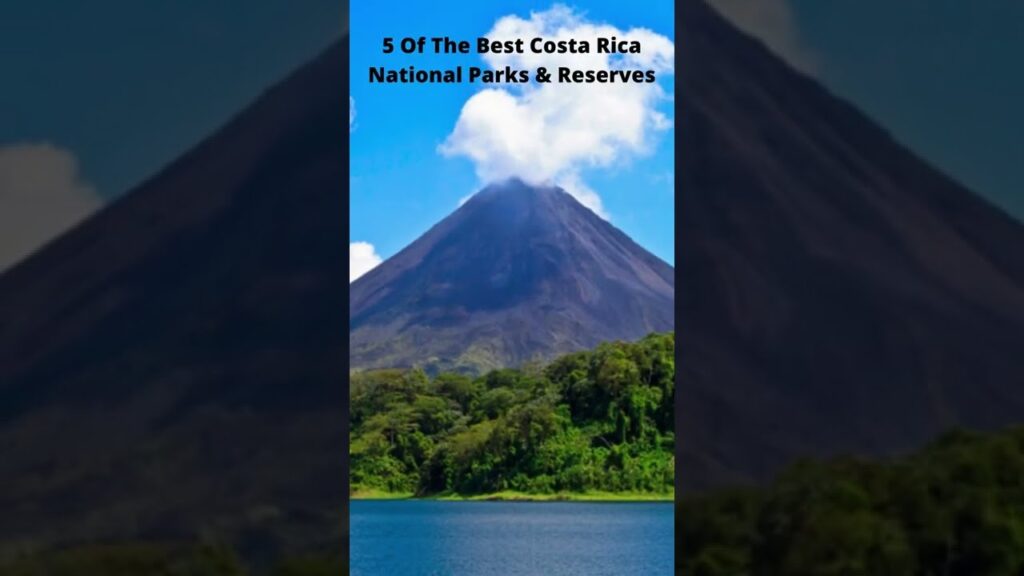
La Fortuna for Arenal Volcano + hot springs + waterfalls, Manuel Antonio for wildlife + beaches + rainforest, and Guanacaste for sunshine and a relaxing beach finish.
You’ll get an actionable schedule for each day (arrival, activities, downtime, and transfer days), realistic driving time expectations, hotel base strategy, packing tips, common mistakes to avoid, and flexible alternatives if your travel style is different.
This Costa Rica itinerary for first time visitors balances adventure with relaxation—you won’t feel rushed, and you won’t waste days driving.
This Costa Rica 7-day itinerary is designed for first-time visitors who want to experience volcanoes, wildlife, beaches, and hot springs without rushing or spending the entire week driving. The three-base structure (La Fortuna for adventure, Manuel Antonio for wildlife, Guanacaste for beach relaxation) creates a natural flow that matches how most travelers want their week to feel.
This guide also serves as a hub for the cluster pages that convert best:
La Fortuna hotels,
Manuel Antonio hotels,
Guanacaste hotels,
plus the Costa Rica pillar guide.


Quick jump:
Overview •
Who it’s for •
When to visit •
Driving times •
Day-by-day •
Packing •
Common mistakes •
Alternative route •
Book hotels
👉 Check availability in all 3 regions before prices increase (La Fortuna, Manuel Antonio, and Guanacaste).
Check Availability in All 3 Regions Before Prices Increase
Tip: Book refundable rooms early—then adjust later if a better location opens up.
Build This 7-Day Costa Rica Trip Inside the Travel Planner
Want to turn this itinerary into an actual trip plan with your own hotel notes, daily route, budget, and destination ideas? Use the Travel With Glen Travel Planner to organize the whole week in one place.
Perfect for mapping your route, organizing hotel options, and customizing this itinerary for your travel style.
Costa Rica 7-Day Itinerary Overview
This Costa Rica 7-day itinerary follows a high-satisfaction flow: active adventure days first, beach recovery last.
It’s also a practical Costa Rica itinerary for first time travelers because it limits bases to just three strategic locations and keeps transfer days realistic—you’re not spending half your vacation in a car.
The route flows naturally from mountains to coast, giving you distinct experiences without backtracking. You start inland at Arenal Volcano (the iconic postcard view everyone wants), transition to the Central Pacific for jungle meets ocean, and finish with pure beach relaxation in Guanacaste’s sunny northwest.
Days 1–3: La Fortuna (Arenal)
Days 4–5: Manuel Antonio
Days 6–7: Guanacaste
| Stop | Main Experience | Why It’s Worth It | Hotel Guide |
|---|---|---|---|
| La Fortuna | Volcano + hot springs + waterfalls | Best inland base for Arenal highlights; iconic volcano views and geothermal hot springs you can’t find anywhere else in Costa Rica | Best Hotels in La Fortuna |
| Manuel Antonio | Wildlife + beaches + rainforest | National park + rainforest + ocean in one compact location; best wildlife viewing accessibility for non-hikers | Where to Stay in Manuel Antonio |
| Guanacaste | Sunshine + beach time | Relaxed finish with easy resort logistics; most consistent dry-season weather and closest to Liberia Airport (LIR) | Where to Stay in Guanacaste |
Your 7-Day Route at a Glance
Who This Costa Rica 7-Day Itinerary Is Best For
Not every one week in Costa Rica itinerary works for every traveler. This route is specifically designed for certain travel styles and priorities. Here’s who gets the most value from this plan:
- First-time visitors who want volcano + wildlife + beaches in one week without missing the “must-see” highlights
- Active travelers who want hiking, waterfalls, and adventure tours—but without over-scheduling every single day
- Couples who want romantic hot springs nights, sunset viewpoints, and a mix of adventure + relaxation
- Travelers who want both beach and volcano in one efficient route (this is the most common first-timer request)
- Travelers comfortable with moderate driving (two ~4–6 hour drive days) or budget for private transfers
- Anyone who values quality over quantity—you’d rather experience three places well than seven places rushed
Who This Itinerary Is NOT Ideal For
To be clear about fit: this route is not the best choice if you:
- Want to stay in one place the entire week (see our alternative route below for 2-base options)
- Prioritize Caribbean coast experiences (Puerto Viejo, Tortuguero)—those require different routing
- Want a pure “resort vacation” with minimal movement—Guanacaste-only would be better
- Are traveling with very young children who struggle with car seats on long drives
- Want to maximize surfing—this route has some surf access but isn’t surf-optimized
When to Visit for This Itinerary
This one week in Costa Rica itinerary works year-round, but the experience changes significantly by season. Here’s what you need to know to choose your dates wisely:
Dry Season (December – April): Peak Demand
The dry season is when this route shines brightest—and when prices peak.
- Weather: More consistent sunshine, especially in Guanacaste (which can be very dry). Manuel Antonio and La Fortuna still get occasional afternoon showers even in dry season, but far less than green season.
- Road conditions: Generally better; less chance of delays from heavy rain or road closures.
- Demand: Hotels book up faster. If you’re traveling December 20–January 10 or during Easter week, book months in advance.
- Prices: Highest of the year. Expect 20-40% premiums on hotels, and popular tours can sell out days in advance.
- Crowds: Manuel Antonio National Park hits capacity limits more often; Arenal hot springs are busier in evenings.
Green Season (May – November): Value + Lush Scenery
Green season gets a bad reputation, but for many travelers it’s actually preferable—especially if you’re flexible and budget-conscious.
- Weather: Mornings are often sunny; afternoon rain is common (usually 1-3 hours of heavy rain, then it clears). This is actually ideal for tour scheduling: do your active tours in the morning, relax in the afternoon.
- Road conditions: Drives can take longer in heavy rain. Occasionally you’ll encounter detours or slower traffic, especially on the route from La Fortuna to Manuel Antonio.
- Demand: Lower. You can often book just 1-2 weeks out and still get great hotels.
- Prices: Significantly cheaper—sometimes 30-50% less than dry season for the same hotel.
- Scenery: Everything is lush, green, and vibrant. Waterfalls are fuller, rainforest is more dramatic.
- Wildlife: Often more active. Many animals prefer the cooler, wetter conditions.
Shoulder Seasons: The Sweet Spots
If you want the best of both worlds, target these windows:
- Late November – Mid December: Green season weather but fewer crowds; prices start climbing closer to Christmas
- Late April – Early May: Tail end of dry season; occasional rain starts but still mostly sunny; prices drop significantly after Easter
For a complete seasonal breakdown with month-by-month guidance, see:
Best Time to Visit Costa Rica (2026).
Which Airport to Fly Into (SJO vs LIR)
Costa Rica has two international airports, and choosing the right one can save you hours of driving. If you can minimize backtracking, your 7 days in Costa Rica will feel dramatically more relaxed.
In many cases, flying into one airport and out of the other is the most efficient move (called an “open-jaw” ticket). It costs slightly more in some cases, but the time and stress savings are worth it.
| Airport | Best If You… | Works Especially Well When… | Distance to First Stop |
|---|---|---|---|
| San José (SJO) Juan Santamaría International | Start with La Fortuna + Manuel Antonio | You’re doing more Central Pacific time, or if you’re flying out of Liberia at the end | ~3 hours to La Fortuna ~2.5 hours to Manuel Antonio |
| Liberia (LIR) Daniel Oduber Quirós International | End (or spend more time) in Guanacaste | You want the easiest beach finish and plan to fly out from Guanacaste | ~3 hours to La Fortuna ~30 min to 2 hours to Guanacaste beaches |
Recommended Airport Strategy for This Itinerary
For this specific Costa Rica 7-day itinerary, here’s the ideal approach:
- Fly INTO San José (SJO) → Start with La Fortuna (3-hour drive from SJO)
- Fly OUT OF Liberia (LIR) → End in Guanacaste (30 min to 2-hour drive to LIR depending on your beach)
This routing flows naturally and eliminates 4-5 hours of backtracking that you’d face if you flew round-trip into the same airport.
Rental Car vs Private Transfers: What to Choose
One of the biggest planning questions for 7 days in Costa Rica: should you rent a car or book private transfers?
There’s no universal “right” answer—it depends on your budget, comfort with driving in unfamiliar conditions, and how much flexibility you want.
Rental Car: Best If You Want Flexibility
Pros:
- Freedom to stop for photos, detours, groceries, or spontaneous exploring
- Easier to access grocery stores, local restaurants, and off-the-beaten-path spots
- Can be cheaper for 2+ people compared to private transfers
- You control the schedule—leave when you want, not when a transfer is booked
Cons:
- Costa Rica roads can be challenging: potholes, unmarked turns, occasional unpaved sections, GPS doesn’t always work perfectly
- Parking can be tight in Manuel Antonio (especially near the national park)
- You’re responsible for navigation and any vehicle issues
- Need to factor in fuel costs and parking fees
- Insurance is mandatory and can add $15-30/day
Private Transfers: Best If You Want to Relax
Pros:
- No driving stress—someone else handles navigation, road conditions, and timing
- Drivers know the routes, can recommend stops, and handle any issues
- You can relax, nap, or enjoy scenery during long drives
- No worrying about parking, fuel, or getting lost
Cons:
- More expensive, especially for couples or solo travelers
- Less spontaneity—you’re on a set schedule
- You’ll need tours with hotel pickup for activities, or taxis for local movement
- Grocery runs and off-the-beaten-path exploring are harder
Hybrid Approach: Transfer for Long Drives, Rent Locally
Some travelers book private transfers for the two long drives (La Fortuna → Manuel Antonio and Manuel Antonio → Guanacaste), but rent a car within La Fortuna or Guanacaste for local exploring. This gives you flexibility where it matters most without the stress of the longest drives.
Map Strategy Tip (Must-Do Before Booking)
Costa Rica roads can add significant time to distances that look “short” on a map. 100 kilometers might take 3 hours instead of 90 minutes due to mountain roads, traffic, or road conditions.
Here’s what to check on a map before you finalize your bookings:
- La Fortuna: Confirm your hotel is in the main corridor (either La Fortuna town center or along the hot springs road). If you book a “La Fortuna area” hotel that’s 45 minutes outside town, you’ll waste hours driving to trailheads and restaurants.
- Manuel Antonio: Use map view to confirm you’re NOT on a steep hillside that requires 4WD or constant uphill/downhill walks. Also check proximity to Playa Espadilla or the national park entrance—walkability varies dramatically.
- Guanacaste: Make sure your beach is reasonable distance from Liberia Airport (LIR) if you’re flying out on Day 7. Some Guanacaste beaches are 30 minutes from LIR; others are 2+ hours. That matters on departure day.
- Elevation: In Manuel Antonio especially, check satellite view—if your hotel is halfway up a mountain, you’re driving or climbing constantly. Not always a dealbreaker, but know what you’re signing up for.
Drive Time Details (What to Expect on Costa Rica Roads)
People consistently underestimate drive times in Costa Rica. The distances look short on a map, but roads wind through mountains, pass through towns, and can be affected by weather, traffic, or construction.
Here’s what to realistically expect for the two major transfers in this Costa Rica 7-day itinerary:
| Route | Typical Drive Time Range | Which Leg Is Longest? | Best Time to Leave | What to Expect |
|---|---|---|---|---|
| La Fortuna → Manuel Antonio | ~4.5 to 6 hours | Often the longest leg of the trip | Morning (aim to arrive before late afternoon) | Winding roads, some unpaved sections possible depending on route; plan for bathroom/food stops |
| Manuel Antonio → Guanacaste | ~4.5 to 6.5 hours | Also long (varies significantly by which Guanacaste beach you choose) | Morning (avoid late arrivals in unfamiliar areas after dark) | Mostly paved highways, but still winding in sections; Guanacaste is a big region so end time depends on your specific beach |
| Guanacaste → LIR (Airport) | ~30 minutes to 2 hours | Usually shortest transfer | Depends on flight time (build buffer for rental car return) | Straightforward drive; just account for rental car return process (30-45 min buffer recommended) |
Road Condition Reality Check
Costa Rica’s road network is improving, but it’s not comparable to U.S. or European highways. Here’s what “normal” looks like:
- Paved but narrow: Many main roads are two lanes with no shoulder. Passing slow trucks is common.
- Potholes: Even on main routes, potholes appear after heavy rains. Drive cautiously and watch for sudden swerves from other drivers avoiding holes.
- Unmarked turns: GPS helps, but some turns are poorly marked. This is why many travelers prefer private transfers for long drives.
- Rain delays: In green season especially, afternoon rain can slow traffic significantly. A 5-hour drive might become 6+ hours if you hit heavy rain.
- Animals on roads: Especially at dawn/dusk, watch for animals (dogs, cattle, wildlife) on or near roads.
Keep drive days “light”—maybe a morning tour before you leave, or an evening arrival and easy dinner. Schedule your big, high-energy tours on non-transfer days when you’re fresh.
What About GPS and Navigation?
Google Maps works in Costa Rica, but with limitations:
- Download offline maps: Cell service can be spotty between towns. Download your route maps in advance.
- Waze is popular: Many locals use Waze, which can alert you to traffic, hazards, or police. It’s often more accurate than Google Maps for real-time conditions.
- Addresses are weird: Costa Rica doesn’t use standard street addresses in many areas. Hotels often provide GPS coordinates or directions like “200 meters north of the church.” This is normal—just follow the coordinates.
Turn This 7-Day Route Into Your Actual Trip Plan
This guide gives you the structure. The Travel With Glen Travel Planner lets you customize it for your own dates, hotel choices, budget, and pace—so you can stop juggling notes and keep your Costa Rica week organized in one place.
Helpful for organizing your 3 hotel bases, tracking drive days, and comparing itinerary options before you book everything.
Day-by-Day Costa Rica Itinerary (Real, Detailed Plan)
Here’s the day-by-day breakdown for your one week in Costa Rica. These aren’t just “suggested activities”—this is a realistic schedule with timing, energy management, and flexibility built in.
Day 1: Arrival + Check-In + Evening Hot Springs (La Fortuna)
Best for: Easing into your trip so the week doesn’t feel rushed from hour one.
Morning/Afternoon: Arrival
- Land at San José (SJO) or Liberia (LIR)—most likely SJO if you’re following the recommended routing
- Pick up rental car (budget 1-1.5 hours for paperwork, insurance, vehicle inspection) OR meet your private transfer
- Drive to La Fortuna (~3 hours from SJO, ~3.5 hours from LIR)
- Stop for lunch along the way if you’re hungry—there are solid roadside sodas (local restaurants) en route
Late Afternoon: Check-In + Settle In
- Arrive at your La Fortuna hotel (aim for 3-5pm arrival)—choosing between the hot springs corridor or town center makes a big difference in your evening options
- Unpack, shower, decompress from travel
- Walk around property, get oriented, maybe grab a coffee or snack
Evening: Hot Springs + Dinner
- Visit hot springs—many hotels have on-site springs, or you can visit a public hot springs resort (Tabacón, Baldi, EcoTermales are popular)
- Soak for 1-2 hours; this is perfect after a long travel day
- Dinner either at the hot springs resort or back at your hotel (don’t overschedule tonight—save energy for Day 2)
- Early bedtime—you’ll want to be rested for tomorrow’s bigger day
Hotel tip: If hot springs access is your #1 priority, book a hotel along the hot springs road (between La Fortuna town and the national park). This puts you minutes from multiple hot springs options. If you prefer walkable town access (restaurants, tour offices, grocery), stay in La Fortuna town center instead. For detailed hotel recommendations and corridor strategy, see our complete La Fortuna hotels guide.
Day 2: Arenal Volcano Hike + La Fortuna Waterfall + Hot Springs
Best for: Your “big highlights” day in La Fortuna—the postcard moments everyone wants.
Morning: Arenal Volcano Area Hike (7am-11am)
- Start early (7-8am) to beat crowds and heat
- The Arenal area has multiple trail options—if you’re staying in the hot springs corridor, you’re closer to the national park entrance; if you’re in town, budget extra drive time. Choose a volcano-area trail that matches your fitness level:
- Arenal 1968 Trail: 1-2 hour hike through old lava flows; moderate difficulty, great volcano views if weather cooperates
- Arenal Observatory Lodge trails: Multiple options from easy to challenging; less crowded than 1968
- Hanging bridges nearby: If you prefer easier walking, there are hanging bridge parks in the area (save for Day 3 if you want to split it up)
- Pack: water, sunscreen, bug spray, rain jacket (even in dry season, microclimates can surprise you)
- Expect: Arenal is an active volcano but it’s not currently erupting with lava flows. You’re here for the iconic shape, the landscape, and the trails. Visibility depends on clouds—if the volcano is hidden in clouds when you arrive, don’t stress; it often clears later in the day or try again Day 3.
Midday: Lunch + Short Scenic Stops (11am-1pm)
- Return to town or stop at a restaurant with volcano views
- This is also a good time to stop at a viewpoint or scenic overlook if you didn’t get clear volcano views during your hike
Afternoon: La Fortuna Waterfall (1pm-4pm)
- Drive to La Fortuna Waterfall (about 15 minutes outside town; $18 entrance fee as of 2024-2025)
- Stairs down: ~500 steps down to the waterfall (and back up—this is the workout). It’s not technical, but it’s steep. Budget 1.5-2 hours total.
- Swimming: The water is cold (mountain-fed) but refreshing. Rocks can be slippery, so wear water shoes or sandals with grip if you plan to get in.
- What to expect: This is one of Costa Rica’s most photogenic waterfalls. It’s popular, so don’t expect solitude, but it’s absolutely worth it. The stairs up are tiring, so pace yourself.
Evening: Hot Springs + Dinner (5pm onward)
- Return to hotel, shower, rest for an hour
- Head to hot springs again (if your hotel doesn’t have them, or if you want to try a different hot springs resort than Day 1)
- Dinner at hot springs or in town—La Fortuna town has solid restaurants within walking distance if you’re staying centrally
Reality check: Arenal Volcano is often shrouded in clouds, especially in the afternoon. The best visibility is usually early morning or late afternoon/evening. Don’t pin all your expectations on one perfect volcano photo—the experience of hiking the trails and soaking in hot springs with the volcano nearby is what makes La Fortuna special, even if you don’t get the postcard shot.
Day 3: Adventure Tour Morning + Drive to Manuel Antonio
Best for: One “high-impact” adventure activity in the morning, then transitioning to your beach/wildlife phase.
Morning: Adventure Tour (7am-12pm)
Choose ONE activity that fits your interest and energy level. Don’t try to double-book—you have a long drive ahead.
- Zipline canopy tour: 2-3 hours; high adrenaline; you’ll be clipped into cables soaring over rainforest. Most tours include 8-12 ziplines plus hanging bridges or Tarzan swings. This is one of the best zipline regions in Costa Rica.
- Hanging bridges: 2-3 hours; easier pace; you walk suspended bridges through the rainforest canopy. Great for wildlife spotting and photos without the adrenaline.
- Whitewater rafting: Half-day; Class II-III or III-IV rapids depending on the river and season. Sarapiquí River is a popular choice from La Fortuna. You’ll get wet, it’s fun, and you’ll see remote rainforest sections.
- Canyoning: Half-day; rappelling down waterfalls. This is more technical and requires some upper body strength and comfort with heights.
- Relaxed alternative: If you’re not into high-adrenaline, consider a wildlife boat tour on Lake Arenal or a relaxed morning at a hot springs day pass instead. You don’t have to do adventure sports to enjoy La Fortuna.
Early Afternoon: Pack Up + Start Drive to Manuel Antonio (12pm-1pm departure)
- Return to hotel, pack, check out
- Start the drive to Manuel Antonio by early afternoon (12pm-1pm is ideal)
- Drive time: ~4.5 to 6 hours depending on route, traffic, and stops
- Route notes: You’ll likely take Route 142 → Route 34 (Costanera Sur). The scenery transitions from mountains to coast—it’s scenic, but long. Plan for at least one bathroom/snack stop.
Evening: Arrival in Manuel Antonio (5pm-7pm)
- Check in to your Manuel Antonio hotel
- Quick walk to the beach if you have energy (Playa Espadilla is the easiest access)
- Easy dinner nearby—don’t overplan tonight; you’ve been driving for hours
- Early bedtime to reset for Day 4
Drive tip: If you’re driving yourself, leave in the morning (right after your tour ends). If you’re taking a private transfer, coordinate timing so you’re not sitting around waiting—most transfer drivers are flexible and can pick you up right after your tour.
Day 4: Manuel Antonio National Park (Early Entry) + Beach Afternoon
Best for: Wildlife sightings, park trails, and your first real beach day of the trip.
Early Morning: National Park Entry (7am-12pm)
- Arrive at Manuel Antonio National Park entrance by 7am (or as close to opening as possible)—if you’ve chosen a hotel in the park/Playa Espadilla corridor, you can walk; hillside hotels will require a short drive or shuttle
- Why early? Wildlife is most active in the morning before heat and crowds. Plus, the park has a daily capacity limit—arriving early guarantees entry.
- Entrance fee: ~$16 USD per person (pay with card or cash; check current rate before you go)
- What to expect: Manuel Antonio is a small park (~1,980 acres), but it packs in incredible biodiversity. You’ll walk easy trails through rainforest that opens onto white-sand beaches.
- Wildlife you’re likely to see: sloths, white-faced capuchin monkeys, howler monkeys, iguanas, agoutis, colorful birds (toucans if you’re lucky). Hiring a guide ($25-40 per person) dramatically increases your chances of spotting animals—they carry spotting scopes and know where to look.
- Trails: Most visitors do the main loop (Playa Manuel Antonio + Cathedral Point Trail). It’s easy, mostly flat, and takes 2-3 hours at a relaxed pace with wildlife stops.
Midday: Park Beaches (12pm-2pm)
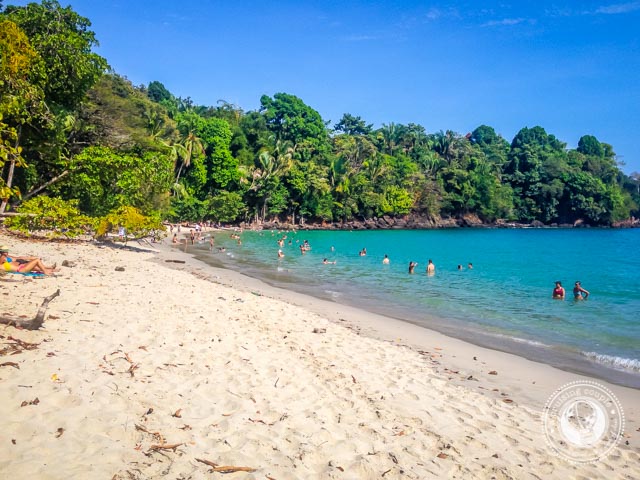
- Relax on Playa Manuel Antonio (inside the park)—it’s one of the prettiest beaches in Costa Rica, with calm water and rainforest backing
- Swim, snack (you can bring food/water), people-watch
- Note: Monkeys are bold. Do NOT leave bags unattended—capuchins will unzip backpacks and steal food. Keep bags closed and attended.
Afternoon: Return + Playa Espadilla or Hotel Pool (2pm-5pm)
- Exit the park (it typically closes by 3-4pm depending on season)
- Head to Playa Espadilla (the public beach just outside the park) for more beach time, or return to your hotel for pool downtime
- This is recovery time—don’t schedule anything. You’ve been up since dawn.
Evening: Sunset Viewpoint or Hillside Dinner (5pm onward)
- If your hotel has ocean views, enjoy sunset from your balcony or the hotel viewpoint
- If not, many hillside restaurants have sunset views—ask your hotel for recommendations
- Dinner somewhere with a view (Manuel Antonio has several excellent hillside restaurants; they’re pricier but worth it for at least one night)
Wildlife tip: Sloths blend into trees incredibly well. Look for clumps of “moss” in tree branches—often that’s a sloth. If you see a crowd of people staring up into a tree with phones out, join them; they’ve spotted something. And bring a zoom lens or small binoculars—sloths can be HIGH in the canopy.
Hotel positioning tip: Your hotel location in Manuel Antonio dramatically affects logistics—read our full Manuel Antonio hotel strategy guide for positioning advice.
Day 5: Boat Tour or Catamaran + Flexible Beach/Exploration Afternoon
Best for: Adding variety to your Manuel Antonio experience without burning out.
Morning/Midday: Choose Your Water Activity (8am-1pm)
Pick one based on your vibe:
- Option A: Wildlife boat/kayak tour through the mangroves: 2-3 hours; you’ll paddle or ride through Damas Island mangrove channels. Great for bird watching (herons, kingfishers, sometimes scarlet macaws), crocodiles, and peaceful scenery. This is lower-key and more educational.
- Option B: Catamaran or snorkel cruise: 3-4 hours (often includes lunch); you’ll sail along the coast, stop for snorkeling (Biesanz Bay is a common spot), and often see dolphins. This has a strong “vacation” vibe—music, drinks, socializing. It’s fun but more touristy.
- Option C: Skip the tour and do a beach day: If you’re feeling “toured out,” spend the morning at Playa Biesanz (a smaller, quieter beach tucked into a cove) or Playa Espadilla. You don’t HAVE to book an activity every day.
Afternoon: Free Time (1pm-5pm)
- This is your “flex” afternoon—do what you feel like:
- Beach: More pool or beach time
- Explore Quepos: The nearby town (5-10 min drive) has local shops, a fish market, and a more “real Costa Rica” feel than the tourist strip
- Nap: Seriously—mid-trip downtime prevents burnout
- Shopping: Manuel Antonio’s main road has souvenir shops, art galleries, and surf shops
Evening: Casual Dinner + Relax (5pm onward)
- Pick a casual spot—maybe somewhere you passed earlier in the week that looked good
- This is your last night in Manuel Antonio, so if there’s a restaurant or viewpoint you wanted to hit, tonight’s the time
Stay tip: If you’re trying to decide WHERE to base yourself in Manuel Antonio for maximum convenience and walkability, see our full breakdown: Where to Stay in Manuel Antonio. The “right” corridor makes a huge difference in how much you enjoy the area.
Day 6: Drive to Guanacaste + Beach Reset Day
Best for: Switching into “easy mode” for the final stretch of your 7 days in Costa Rica.
Morning: Pack + Depart for Guanacaste (8am-9am)
- Check out of your Manuel Antonio hotel
- Start the drive to Guanacaste (aim for 8-9am departure)
- Drive time: ~4.5 to 6.5 hours depending on which Guanacaste beach you’re heading to (Tamarindo, Playa Conchal, Papagayo, etc.)
- Route notes: You’ll take Route 34 north along the coast, then cut inland and back out to the Guanacaste coast. The drive is long but mostly straightforward.
Midday: Arrival + Check-In (12pm-2pm)
- Arrive at your Guanacaste beach hotel—whether you chose a lively base like Tamarindo or a quiet resort zone like Papagayo will determine your final-day vibe
- Check in, unpack, settle into your room
- Grab lunch at the hotel or nearby (most Guanacaste beaches have walkable restaurants if you’re in a town area like Tamarindo, or resort dining if you’re in a resort zone like Papagayo)
Afternoon/Evening: Beach + Pool + Total Relaxation (2pm onward)
- This is your reset day—no agenda, no tours, no “must-dos”
- Beach walk, swim in the ocean, pool time, read a book, nap in a hammock
- Guanacaste beaches are generally calmer and sunnier than Manuel Antonio (especially in dry season), so if you’ve been craving classic “beach vacation” vibes, this is it
- Sunset on the beach—Guanacaste has spectacular sunsets over the Pacific
- Casual dinner (resort dining, beachfront restaurant, or walk into town if you’re in a walkable area)
Drive tip: The drive from Manuel Antonio to Guanacaste is long. If you’re feeling worn out from the week, this is the day where a private transfer (instead of self-driving) makes the most sense—you can nap or zone out instead of navigating for 5-6 hours.
Day 7: Guanacaste Beach Morning + Departure
Best for: A stress-free, gentle send-off from Costa Rica.
Morning: Final Beach Time (7am-10am)
- Wake up naturally (no alarms unless you have an early flight)
- Beach walk, coffee on the beach, one last swim
- Pack up, check out (most hotels have 11am or 12pm checkout)
Midday/Afternoon: Departure to Liberia Airport (LIR)
- Drive to Liberia Airport (30 minutes to 2 hours depending on your beach location)
- Build in buffer time—if you’re returning a rental car, add 30-45 minutes for the return process (inspection, paperwork, shuttle to terminal)
- Recommended: Arrive at LIR at least 2.5-3 hours before an international flight (the airport is small but lines can be long during peak season)
Alternative: Extra Guanacaste Time
If your flight isn’t until late afternoon or evening, you can:
- Add a morning activity: surf lesson, snorkel trip, ATV tour, or zip-line (if you didn’t do it in La Fortuna)
- Explore a nearby town (Tamarindo has shops, cafes, and a walkable beach strip)
- Just… relax more. There’s no rule that says you have to pack the final morning.
Flight tip: If you’re flying out of Liberia (LIR), don’t cut timing too tight. Road delays can happen, and rental car return can take longer than expected if there’s a line. Build a buffer so you’re not stressed on your last day.
Where to Stay in Each Destination
Choosing the right hotel BASE dramatically impacts how much you enjoy this Costa Rica 7-day itinerary. Here’s a quick summary, but each destination has a full dedicated guide with specific hotel recommendations.
La Fortuna (Days 1–3): Two Base Options
Hot Springs Corridor (between town and Arenal National Park entrance):
- Best for: resort-style relaxation, volcano views from your room, easy evening hot springs access
- Trade-off: Less walkable to restaurants; you’ll drive or taxi into town for meals unless you eat at your hotel
- Who it’s for: Couples, anyone prioritizing hot springs and views over walkable nightlife
La Fortuna Town Center:
- Best for: walkability, restaurants, tour offices, grocery stores, local vibe
- Trade-off: Fewer volcano views from rooms; you’ll drive or take tours to hot springs and park areas
- Who it’s for: Budget travelers, solo travelers, anyone who prefers being in a “real town” vs a resort bubble
Read: Best Hotels in La Fortuna (2026 Guide) →
Manuel Antonio (Days 4–5): Three Base Options
Park/Playa Espadilla Corridor:
- Best for: easiest access to the national park, walkable beach (Playa Espadilla), most convenient for first-timers
- Trade-off: Can be busier and more touristy; some hotels are on steep hillsides
- Who it’s for: First-time visitors, families, anyone prioritizing park access
Hillside/Mid-Road Corridor:
- Best for: ocean views, sunrise/sunset from your balcony, quieter feel
- Trade-off: Less walkable (you’ll drive or take shuttles to beaches/restaurants); steep driveways common
- Who it’s for: Couples seeking views and romance over convenience
Quepos (nearby town):
- Best for: budget savings, local feel, easy access to grocery stores and authentic restaurants
- Trade-off: 10-15 minute drive to Manuel Antonio park and beaches; less “vacation resort” vibe
- Who it’s for: Budget travelers, long-term visitors, anyone who prefers local immersion
Read: Where to Stay in Manuel Antonio (2026 Guide) →
Guanacaste (Days 6–7): Match Your Vibe
Guanacaste is a BIG region with very different beach towns. Choose based on what you want for your final 2 days:
Lively bases: Tamarindo, Playa del Coco
- Best for: walkable towns, restaurants, nightlife, surf lessons, tours, meeting other travelers
- Trade-off: Busier, more developed, less “remote paradise” feeling
Quiet/luxury bases: Papagayo Peninsula, Playa Conchal, Playa Hermosa
- Best for: upscale resorts, calmer beaches, romantic finish, spa vibes
- Trade-off: Less walkable; you’re more tied to your resort or need to drive for variety
Surf-focused bases: Nosara, Santa Teresa (note: both are farther south and add drive time)
- Best for: surf culture, yoga, bohemian vibe
- Trade-off: Longer drive from Manuel Antonio; farther from Liberia Airport
Read: Where to Stay in Guanacaste (2026 Guide) →
What to Pack for 7 Days in Costa Rica
Packing for 7 days in Costa Rica is tricky because you’re moving through multiple climates and activity types. Here’s what actually matters:
Clothing Essentials
- Lightweight, quick-dry clothing: Costa Rica is hot and humid. Avoid cotton—it stays wet. Go for synthetic or merino wool fabrics that dry fast.
- Swimsuit (x2): You’ll be in water a lot (hot springs, beaches, waterfalls). Having a backup suit that’s dry is clutch.
- Light rain jacket or poncho: Even in dry season, you might hit rain. Packable rain jackets work great.
- Long, lightweight pants: For hiking, ziplining, or cooler evenings. Protects against bugs and sun.
- Comfortable walking shoes: You’ll do a lot of walking. Trail runners or lightweight hikers are ideal.
- Water sandals or water shoes: For rivers, hot springs, rocky beaches, and the La Fortuna Waterfall swim area.
- Flip-flops or casual sandals: For beach, hotel, casual dinners.
- One “nice” outfit: If you want to do a nicer dinner (especially in Manuel Antonio hillside restaurants), you’ll want something a step up from beach shorts.
Gear & Accessories
- Daypack (20-30L): For tours, hikes, and carrying water/snacks during day trips.
- Reusable water bottle: Costa Rica is hot. Hydration matters. Many hotels have refill stations.
- Sunscreen (reef-safe): Costa Rica cares about reef protection. Bring reef-safe sunscreen or buy it locally. Regular sunscreen is banned in some marine areas.
- Bug spray: Mosquitoes are real, especially near water and in rainforest areas. DEET-based or picaridin work best.
- Dry bag or waterproof pouch: For boat tours, rafting, or beach days where you want to protect your phone/wallet.
- Headlamp or small flashlight: Some areas have limited lighting at night (especially if you’re on a hillside property).
- Binoculars (optional but awesome): Wildlife spotting in Manuel Antonio is 10x better with binoculars.
- Power adapter: Costa Rica uses the same outlets as the U.S. (Type A/B, 110V). If you’re coming from Europe/elsewhere, bring an adapter.
Documents & Money
- Passport: Must be valid for at least 6 months beyond your travel dates.
- Driver’s license: If you’re renting a car, bring your home country driver’s license (international license not required for U.S./Canada/EU).
- Credit card: Visa and Mastercard widely accepted. Notify your bank you’re traveling to avoid fraud blocks.
- Cash (USD or Costa Rican colones): Some small businesses, sodas, and tips are cash-only. ATMs are available in towns.
- Travel insurance info: If you have it, keep a copy of your policy and contact numbers.
What NOT to Overpack
- Too many clothes: You can re-wear shorts and shirts. Most hotels offer laundry service.
- Heavy toiletries: Bring travel sizes. You can buy basics in Costa Rica if you run out.
- Towels: Hotels provide towels. Beach towels are usually available at hotels too.
- Formal wear: Costa Rica is casual. You don’t need dress shoes or blazers unless you’re attending a specific event.
Common Mistakes to Avoid on This 7-Day Costa Rica Itinerary
Even with a solid plan, first-time visitors to Costa Rica make predictable mistakes. Here’s how to avoid them on your Costa Rica 7-day itinerary:
1. Underestimating Drive Times
This is the #1 mistake. “It’s only 150km, that’s like 90 minutes, right?” Wrong. Costa Rica roads wind through mountains, pass through towns, and can have potholes or construction. Always add 30-60 minutes to Google’s estimate for your first time on a route.
2. Overpacking the Itinerary
It’s tempting to book a tour every single day. Don’t. You’ll burn out by Day 4, and you won’t enjoy the second half of your trip. This itinerary intentionally builds in flexibility—honor that. It’s okay to have a “beach day” with no agenda.
3. Skipping Travel Insurance
Costa Rica is generally safe, but adventure activities (ziplining, rafting, hiking) carry risk. And if you get injured or sick and need to cancel, travel insurance is the only thing protecting your investment. Budget $50-100 for a week of coverage—it’s worth it.
4. Not Booking Manuel Antonio Hotels Early Enough
Manuel Antonio books up FAST in dry season (Dec-Apr). If you wait until 2-3 weeks before your trip, your best hotel options are gone and prices are higher. Book Manuel Antonio first, then build the rest of your itinerary around those dates.
5. Choosing the Wrong Hotel Base
Location matters more in Costa Rica than in many destinations. A “cheap” hotel that’s 45 minutes outside La Fortuna or halfway up a mountain in Manuel Antonio will cost you time, stress, and potentially money (taxis, tours). Read our hotel guides (linked throughout this page) and choose bases strategically.
6. Forgetting About Parking in Manuel Antonio
Manuel Antonio National Park parking is limited and fills up fast. If you’re driving yourself, arrive EARLY (before 7:30am ideally) or use paid parking lots nearby. Don’t assume you’ll find a spot at 9am on a Saturday in dry season.
7. Not Bringing Cash
Most places take cards, but tips, small sodas (local restaurants), parking attendants, and some tour guides prefer cash. Keep $50-100 USD (or equivalent in colones) on hand at all times.
8. Declining Rental Car Insurance to “Save Money”
Costa Rica requires liability insurance by law. You WILL pay for it, even if your credit card “covers” rentals. Declining the insurance and then arguing at the rental counter wastes time and often costs more in the end. Just budget for full insurance ($15-30/day) from the start.
9. Ignoring Weather Forecasts
Even in dry season, check daily forecasts (especially in La Fortuna and Manuel Antonio). If heavy rain is forecasted, adjust your schedule—do indoor activities or hot springs instead of hiking. Flexibility beats stubbornness.
10. Not Leaving Buffer Time on Departure Day
Rental car return, airport lines, traffic—everything takes longer than you think on departure day. If your flight is at 2pm, don’t plan a morning tour. Build buffer time and arrive at the airport relaxed, not sprinting.
Alternative 7-Day Route (2 Bases Only)
If you want fewer transfers, less packing/unpacking, and a more relaxed pace, this alternative Costa Rica 7-day itinerary reduces movement while still hitting key highlights:
Option A: La Fortuna + Guanacaste (No Manuel Antonio)
- 3 nights La Fortuna: Volcano, hot springs, waterfall, 1-2 adventure tours
- 4 nights Guanacaste: Beach time, day trips (snorkeling, surfing, mangrove tours), total relaxation
Why this works: You still get mountains + beach, but you skip the Manuel Antonio wildlife/rainforest experience. This is ideal if you’re less interested in wildlife and more interested in pure beach relaxation with some adventure mixed in.
Drive times: La Fortuna → Guanacaste is ~4-5 hours (similar to the La Fortuna → Manuel Antonio drive), so you’re only doing ONE long transfer instead of two.
Option B: Manuel Antonio + Guanacaste (No La Fortuna)
- 3 nights Manuel Antonio: National park, wildlife, beaches, boat tours
- 4 nights Guanacaste: Beach time, day trips, relaxation
Why this works: You skip the volcano/hot springs experience but keep the rainforest/wildlife and maximize beach time. This is ideal if you’re less interested in volcanic landscapes and more interested in coast-focused experiences.
Drive times: One transfer (Manuel Antonio → Guanacaste, ~4.5-6.5 hours), so less total driving than the 3-base itinerary.
Option C: La Fortuna Only (7 Nights, Deep Dive)
- 7 nights La Fortuna: Volcano, hot springs, waterfalls, hanging bridges, rafting, day trips to nearby areas (Rio Celeste, Caño Negro, Lake Arenal, Monteverde)
Why this works: If you HATE moving hotels and want to deeply explore one region, La Fortuna offers enough variety for a full week. You can add day trips to nearby areas (Monteverde cloud forest is ~2.5-3 hours away, Rio Celeste waterfall is ~1.5 hours) without changing hotels.
Trade-off: No beach time. This is for people who prefer mountains, adventure, and cooler temps over coastal beach vibes.
Budget Breakdown: What to Expect for 7 Days in Costa Rica
Costa Rica isn’t a “cheap” destination—but it’s also not absurdly expensive if you plan smart. Here’s a realistic breakdown of costs for this Costa Rica 7-day itinerary:
| Expense Category | Budget Range | Mid-Range | Splurge/Luxury |
|---|---|---|---|
| Hotels (7 nights total) | $350-700 total | $700-1,400 total | $1,400-3,500+ total |
| Rental Car (7 days) + gas | $300-450 total | $450-650 total | $650-900+ (SUV 4×4) |
| Private Transfers (alternative to rental car) | N/A | $400-600 total (for 2-3 transfers) | $600-900+ total |
| Food (7 days) | $150-300 per person | $300-500 per person | $500-800+ per person |
| Tours & Activities | $200-400 per person | $400-700 per person | $700-1,200+ per person |
| Flights (varies by origin) | $300-1,200+ per person depending on origin, season, and how far in advance you book | ||
Sample Total Budget for 2 People (7 Days)
- Budget travelers: $2,500-3,500 total (excluding flights)
- Mid-range travelers: $4,000-6,500 total (excluding flights)
- Luxury travelers: $8,000-15,000+ total (excluding flights)
👉 Check availability in all 3 regions before prices increase and lock in your best locations for this Costa Rica 7-day itinerary.
Check Availability in All 3 Regions Before Prices Increase
Tip: Book refundable rooms early—then adjust later if a better location opens up.
Customize This Itinerary for Your Own Dates, Budget, and Style
This guide gives you the best first-timer structure. The Travel With Glen Travel Planner helps you make it yours—organize hotel options, compare route choices, save your daily notes, and build your trip without losing track of the details.
Start Your Free Travel Planner
Use it to organize your Costa Rica route, hotel shortlist, activity ideas, and travel budget in one place.
FAQ: Costa Rica 7-Day Itinerary
Is this a good Costa Rica itinerary for first time visitors?
Yes—this Costa Rica itinerary for first time travelers is built around realistic driving days, high-impact destinations, and a mix of adventure + relaxation.
It covers the “must-see” highlights (Arenal Volcano, Manuel Antonio National Park, Guanacaste beaches) without feeling rushed or overwhelming. If this is your first time in Costa Rica, this route gives you a well-rounded experience.
How long is the drive from La Fortuna to Manuel Antonio?
Typically 4.5 to 6 hours, depending on route, traffic, weather, and how many stops you make. The route winds through mountains and transitions from inland to coast.
Leave in the morning (ideally by 12-1pm after your morning activity) and plan a buffer for bathroom breaks, snacks, or photo stops. Don’t rely on Google’s optimistic time estimate—add 30-60 minutes to be safe.
How long is the drive from Manuel Antonio to Guanacaste?
Typically 4.5 to 6.5 hours, depending on which Guanacaste beach area you’re heading to (Tamarindo, Papagayo, Playa Conchal, etc.).
The drive follows the coast north on Route 34, then cuts inland and back out to the Guanacaste beaches. Some Guanacaste areas are closer (4.5 hours), others are farther (6+ hours).
Check your specific destination on a map before you commit to timing.
When is the best time to do this Costa Rica 7-day itinerary?
This itinerary works year-round, but the experience changes by season:
- Dry season (December-April): More consistent weather, higher demand, higher prices. Book early.
- Green season (May-November): Lush scenery, fewer crowds, cheaper hotels, more afternoon rain (but mornings are often sunny).
- Shoulder seasons (late April, early May, late November): Best of both worlds—decent weather, lower prices, fewer crowds.
For a full seasonal breakdown, see: Best Time to Visit Costa Rica.
Do I need a rental car for 7 days in Costa Rica?
Not required, but it gives you more flexibility. You CAN do 7 days in Costa Rica with private transfers and tour pickups—especially if you stay in the main hotel zones for each destination (La Fortuna town, Manuel Antonio’s park corridor, Guanacaste beach towns).
Tours typically offer hotel pickup, so you’re not stranded. But a rental car gives you freedom for grocery runs, spontaneous stops, and exploring on your own schedule.
Is 7 days enough time in Costa Rica?
Yes. Seven days is enough to experience 2-3 destinations well if you keep driving days realistic and choose hotel bases that minimize daily logistics.
You won’t see “everything” (Costa Rica is incredibly diverse), but you’ll get a solid intro to volcanoes, rainforest, wildlife, and beaches—which is what most first-timers want.
If you try to cram in 5+ destinations in 7 days, you’ll spend half your trip driving and won’t enjoy any of them. Quality over quantity.
Can I do this itinerary in reverse (Guanacaste → Manuel Antonio → La Fortuna)?
Yes, absolutely. If you’re flying into Liberia (LIR) and out of San José (SJO), reversing the itinerary makes perfect sense.
The logic stays the same: start in Guanacaste (beach relaxation + acclimatization), move to Manuel Antonio (wildlife + rainforest), finish in La Fortuna (volcano + adventure). Some people prefer this flow because you’re building UP to the adventure instead of winding down. Both work—choose based on your airport routing.
What if I only have 5 days or 6 days instead of 7?
If you have fewer days, cut one destination rather than rushing all three. Options:
- 5-6 days: Do La Fortuna (2-3 nights) + Guanacaste (2-3 nights), skip Manuel Antonio. This cuts one long drive and still gives you volcano + beach.
- 5-6 days alternative: Do Manuel Antonio (2-3 nights) + Guanacaste (2-3 nights), skip La Fortuna. This keeps the coast-focused vibe without the mountain detour.
Don’t try to cram all three destinations into 5 days—you’ll spend more time driving than enjoying.
Is this itinerary good for families with kids?
It CAN work for families, but consider these factors:
- Age of kids: If your kids are 8+, this itinerary works great. Younger kids (especially toddlers) may struggle with long car rides and early mornings.
- Adjust pacing: Build in more downtime and fewer “big” activity days. Kids need pool time and unstructured play.
- Choose family-friendly hotels: Look for properties with pools, kids’ clubs, or easy beach access. Avoid hillside hotels with steep terrain.
- Skip some adventure tours: Not every kid wants to zipline or raft. Manuel Antonio National Park is very family-friendly, and beach days are universally loved.
Do I need to speak Spanish to do this itinerary?
No. English is widely spoken in tourist areas (La Fortuna, Manuel Antonio, Guanacaste). Hotel staff, tour guides, and restaurant workers in these zones almost always speak English.
That said, learning a few basic Spanish phrases (“hola,” “gracias,” “por favor,” “¿cuánto cuesta?”) is appreciated and helpful in more local settings. But you won’t struggle without fluency.
Image credits: Images load from Wikimedia Commons via direct file URLs (upload.wikimedia.org).
For best speed and Core Web Vitals, upload compressed WebP versions to your WordPress Media Library and update the image src paths.