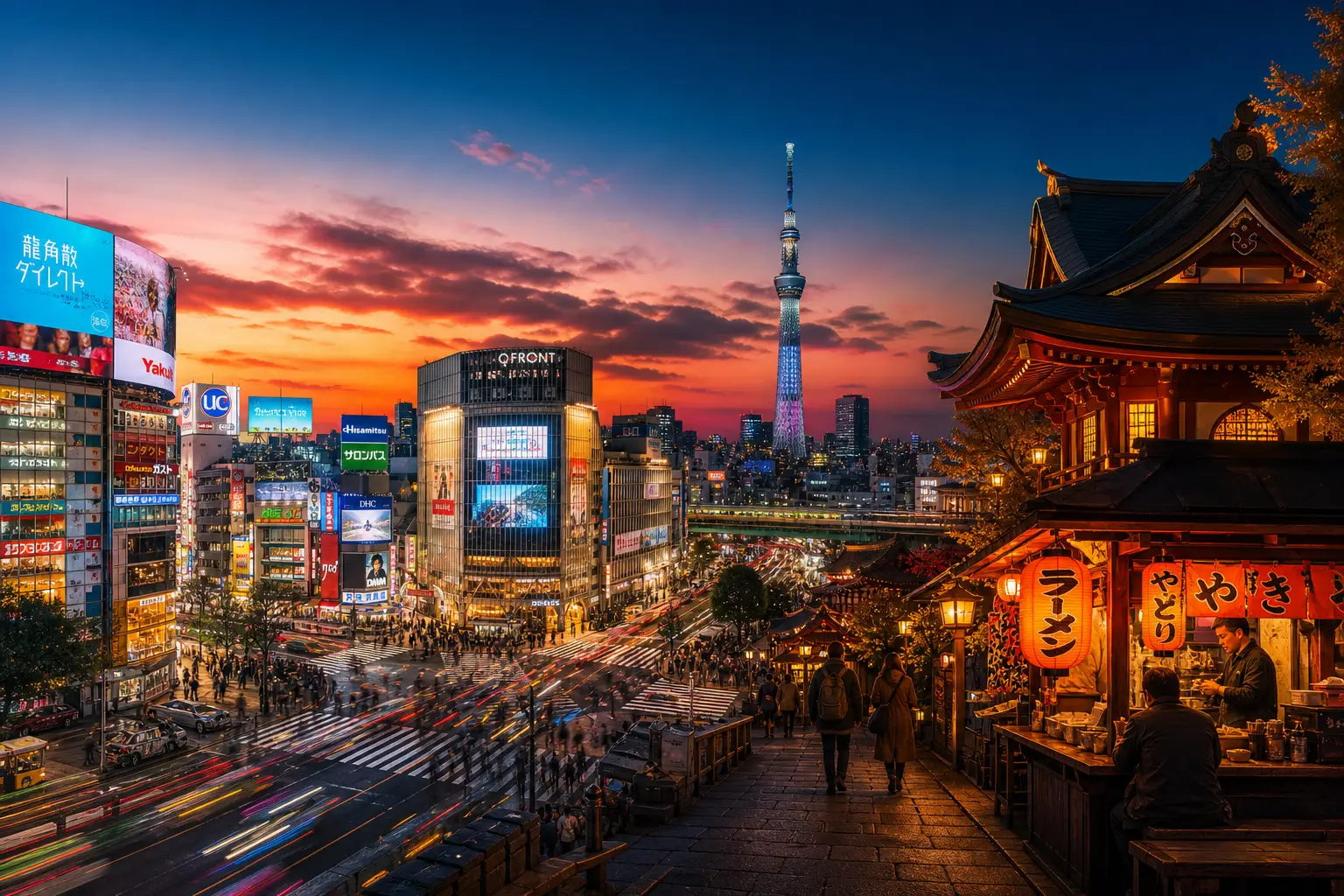
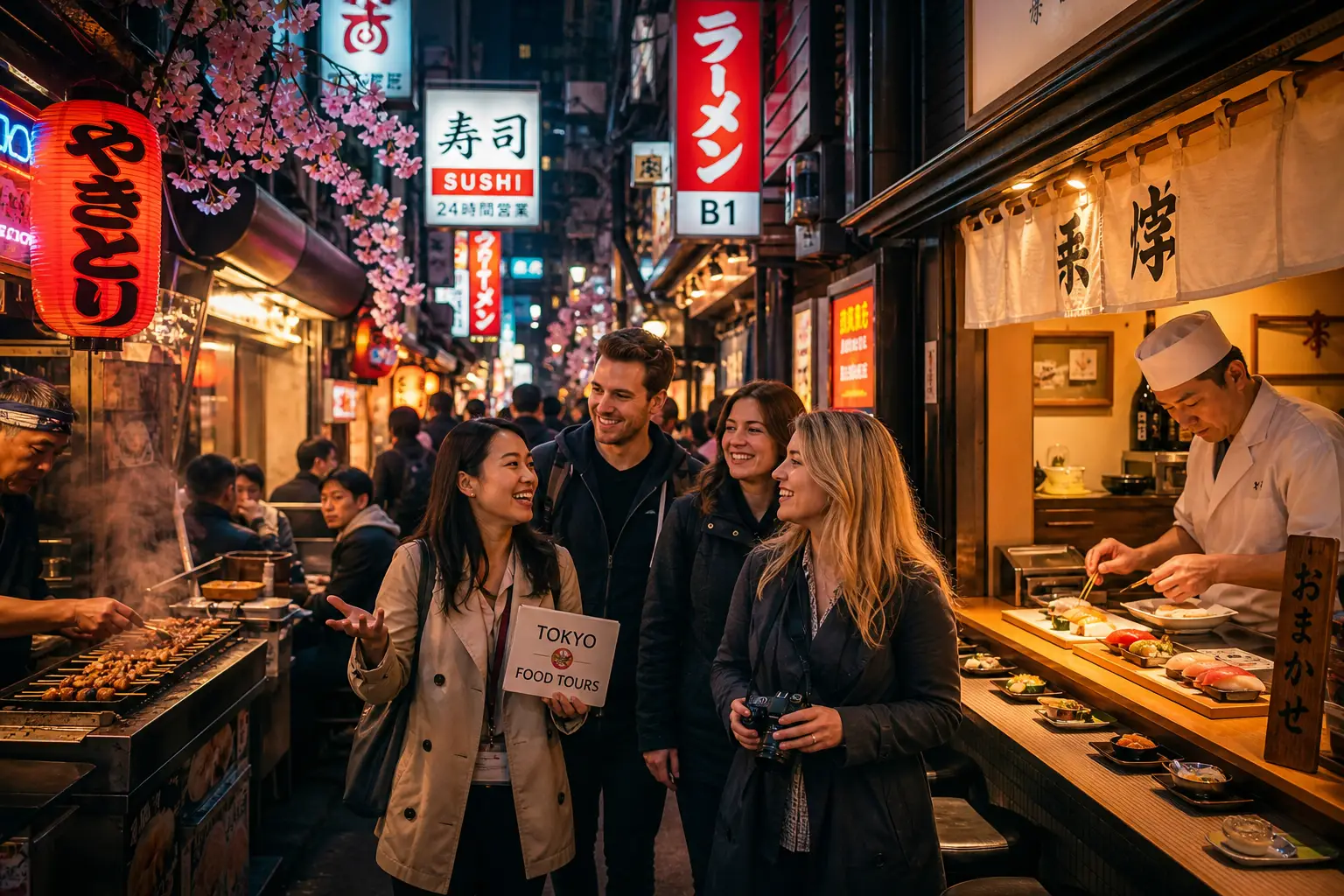
Tokyo is one of those cities that can make you fall in love with food before lunch and then surprise you again at dinner. I’ve eaten unforgettable sushi at a counter the size of a kitchen table, slurped ramen standing shoulder-to-shoulder with commuters, and wandered through market streets where every turn seems to reveal another perfectly crafted bite. If you’re planning a trip focused on food, Tokyo is not just a destination — it’s an entire culinary itinerary.
What makes Tokyo special is the range. You can spend one morning on a guided market walk, one afternoon learning how to roll sushi or fold gyoza, and one evening hopping through an izakaya-lined alley with a local guide. If you want the big picture first, start with my Tokyo Travel Guide and then use this page to narrow down the best food tours, tastings, and neighborhood experiences to book.
Tokyo’s Food Culture: Why It’s So Good for Culinary Travel
Tokyo’s dining scene works because it balances precision and variety. Yes, the city has Michelin-level restaurants and world-class omakase counters, but it also has neighborhood ramen shops, tempura stands, standing sushi bars, depachika food halls, and late-night bars serving skewers with a cold beer. That’s what I love most about Tokyo: the same city can feel both polished and deeply local in the space of a few train stops.
When I’m helping travelers plan food-focused days, I always tell them not to think in terms of just “restaurants.” In Tokyo, the experience matters as much as the meal. A great tour gives you context — how to order, what seasonality means, where a dish comes from, and why a particular neighborhood tastes the way it does.
What kinds of food experiences work best here?
- Guided neighborhood food tours for first-time visitors
- Market walks for sushi, seafood, and local ingredients
- Bar hopping and izakaya crawls for nightlife and small plates
- Cooking classes for hands-on travelers
- Private culinary experiences for couples, families, or serious food lovers
If you want a broader list of activities beyond food, I recommend starting with Tokyo Tour Operators & Activities and then drilling into the food-specific listings that match your style.
Best Tokyo Areas for Food Tours and Culinary Experiences
Tokyo is huge, and the neighborhood you choose will shape the entire experience. Some areas are better for markets and traditional flavors, while others are ideal for nightlife, modern dining, or easy station access.
Shinjuku
Shinjuku is one of the best places for food tours because it gives you options at every budget. This is where I send travelers who want the classic Tokyo evening experience: tiny izakayas, yakitori bars, ramen alleys, and the buzz of a district that never really slows down. If you like food tours with a nightlife edge, Shinjuku is hard to beat.
Shibuya
Shibuya is great for travelers who want modern Tokyo energy with easy access to trendy restaurants, casual food stops, and stylish cocktail bars. It’s especially good for younger travelers, first-timers, and anyone who wants a mix of dining and sightseeing in one compact area. A food tour here often blends contemporary Japanese cuisine with local favorites and a more urban, fast-moving feel.
Ginza
Ginza is where I go when I want something polished. You’ll find excellent sushi, tempura, wagyu, and refined dining experiences here, plus easy access from major train lines and hotels. This is a strong choice for travelers who want a more upscale culinary outing or a special-occasion meal.
Asakusa
Asakusa has a more traditional atmosphere, and that matters. The area around Senso-ji and Nakamise-dori is excellent for classic snacks, sweets, and heritage-focused food walks. If you want a tour that feels rooted in old Tokyo, Asakusa is one of my favorite starting points.
Tsukiji and Toyosu
For seafood lovers, this is a must. Tsukiji is still fantastic for outer-market tastings, tamagoyaki, seafood rice bowls, and knife-sharp market energy. Toyosu, meanwhile, is the newer wholesale market area and a better fit for travelers who want a more structured visit. If sushi is high on your list, I’d make time for one of these markets early in your trip.
Tokyo Station and Marunouchi
Tokyo Station is one of the most underrated food hubs in the city. The station itself and the surrounding area are packed with ramen streets, dessert shops, bento options, and easy access for travelers arriving on the Shinkansen. It’s also incredibly practical if you’re moving between cities and want a meal without wasting time crossing town.
Directory Listings and the Best Types of Food Experiences to Book
If you want a curated starting point, I suggest browsing the food-focused listings in the Verified Directory. The best place to begin is Food Tours Tokyo, where you can compare operators and experience styles in one place.
For travelers who want well-reviewed, guided experiences, I also recommend looking at Arigato Travel / Arigato Japan Food Tours, Ninja Food Tours, Oishii Food Tours, and Tokyo Free Walking Tour – Tokyo Localized. Each one suits a slightly different traveler, whether you want a private guide, a more social group tour, or a budget-friendly introduction to the city.
Guided walks and market tours
These are usually the best starting point for first-time visitors. A good guide does three things at once: they help you taste more efficiently, they explain what you’re eating, and they remove the stress of navigation. That matters in Tokyo, where the best places are often hidden down side streets or inside station complexes.
Typical group tours often run around ¥8,000–¥15,000 per person, while private or specialized tours can cost more depending on duration, inclusions, and group size. If you’re only doing one food experience in Tokyo, I’d usually put a guided neighborhood walk at the top of the list.
Bar hopping and nightlife tours
If you want to understand Tokyo after dark, book an izakaya or bar-hopping experience. These tours are usually best in Shinjuku, Shibuya, or local neighborhoods with a real drinking culture. Expect skewers, small plates, sake, beer, and a much more relaxed pace than a sit-down tasting menu.
For a deeper dive into rice wine culture, pair your trip with my Tokyo Sake Tasting Experiences guide. Sake is one of the easiest ways to turn a meal into a full culinary lesson.
Private culinary experiences
Private food tours are ideal if you have dietary restrictions, limited time, or a specific list of dishes you want to try. They’re also the best choice for families with kids or travelers who prefer a slower pace. A private guide can adapt the route to your needs, which is especially helpful if you want to avoid a long walk between neighborhoods or you’re arriving straight from the airport.
If you need help planning around transfers or late-night transport, check Tokyo Transportation Services as well as nearby hotel options in Tokyo Hotels & Accommodations.
What to Eat on a Tokyo Food Tour
Tokyo is the place to eat across categories, not just within them. Here’s how I usually advise travelers to think about the menu:
Sushi
Book sushi experiences if you want precision, seasonality, and a real sense of Japanese dining etiquette. Sushi tours often pair market visits with counter dining, which is ideal if you want to understand the ingredients before you taste the final plate.
Ramen
Ramen is one of the most satisfying food stops in Tokyo, especially because the city’s style ranges from rich tonkotsu to lighter shoyu and refined chicken-based broths. It’s casual, quick, and perfect when you want to compare several bowls across different neighborhoods.
Tempura and yakitori
Tempura is one of those dishes that looks simple until you taste it done properly. Yakitori, meanwhile, is the backbone of a great izakaya night. I always tell travelers to try both, because they show two sides of Tokyo dining: delicate and smoky, refined and relaxed.
Wagyu and kaiseki
If you’re celebrating something, Tokyo is the place to go all in. Wagyu tasting experiences can be incredible when done at the right level, and kaiseki gives you a course-by-course look at Japanese seasonal dining. These are slower, more formal meals, but they’re worth it if you want a high-end culinary highlight.
Sake tasting and cooking classes
Cooking classes are great if you want more than just a meal — they give you skills you can actually take home. Sake tasting is similar: it turns a dinner into a learning experience and often introduces travelers to styles they would never have ordered on their own. For anyone who wants to understand the drink side of the culture, my Tokyo Sake Tasting Experiences guide is a smart companion read.
Notable Tokyo Restaurants That Work Well as Culinary Stops
Some restaurants aren’t tour stops in the traditional sense, but they absolutely deserve a place on a food-focused itinerary. If you’re building a Tokyo trip around standout meals, these are worth knowing about:
NOBU Tokyo
NOBU Tokyo is a strong choice for travelers who want a polished, globally recognized dining experience with Japanese influence. It works well as a special dinner after a day of touring or as a meal for travelers who want something elegant and dependable.
Den
Den is one of the most exciting names in Tokyo because it blends creativity with personality. If you’re the kind of traveler who enjoys tasting menus that feel playful and original, this is the sort of restaurant I’d build a highlight night around.
CENSU TOKYO
CENSU TOKYO is a great example of Tokyo’s modern, inventive side. It’s ideal for travelers who want a contemporary restaurant with character, bold flavors, and a more cosmopolitan feel.
For a broader list of sit-down options, pair these with my Tokyo Restaurants & Dining page, which is where I organize more neighborhood-specific recommendations.
How to Compare Tokyo Food Tours Before You Book
Not every food tour is designed for the same traveler, and this is where people often make the wrong choice. Before you book, compare the following:
- Price: Group tours are usually cheaper; private tours cost more but are easier to customize.
- Language support: Confirm English availability if you want a smoother explanation of dishes and etiquette.
- Dietary needs: Look for vegetarian, vegan, halal, gluten-free, and allergy-aware options before you pay.
- Tour length: Two to three hours works well for a quick intro; four to six hours is better for market + dinner combinations.
- Neighborhood focus: Choose the area that matches your itinerary instead of crossing half the city for one meal.
One thing I always remind travelers: if a tour doesn’t clearly explain what’s included, ask before booking. Tokyo is efficient, but food tours can vary a lot in whether drinks, transport, entrance fees, or all tastings are covered.
Dietary restrictions in Tokyo: what to know
Tokyo is improving fast, but dietary planning still matters. Many tours can accommodate certain needs if you ask in advance, but not every restaurant has the same flexibility. Vegetarian and vegan options are becoming more common, while halal and gluten-free travelers may need extra confirmation. Allergy support is possible, but you should always verify ingredients and kitchen practices ahead of time.
My rule: don’t assume a food tour is dietary-friendly just because it sounds flexible. Read the listing carefully, then message the operator if anything matters to your health or comfort.
Getting Between Tokyo’s Food Districts Efficiently
Tokyo’s transport system makes food hopping much easier than most travelers expect. The key is to plan your districts in clusters instead of crisscrossing the city all day.
Use stations as your anchor
Shinjuku, Shibuya, Ginza, Asakusa, Tokyo Station, and the Tsukiji/Toyosu area all work well as anchor points because they’re either major rail hubs or easy taxi rides from one another. If your hotel is near a strong station, that often matters more than being in the center of the map.
Taxis are worth it at night
Tokyo taxis are not cheap, but for late dinners, bar hopping, or when you’re tired after a long day, they can be worth every yen. This is especially true if you’re in a group or carrying shopping bags from a market visit.
Luggage storage makes food days easier
If you arrive in Tokyo before check-in, use station lockers or hotel storage so you can go straight to your first meal without dragging bags around. This is one of the simplest ways to make a food-focused day feel smooth instead of stressful. If you’re still deciding where to stay, I’d suggest checking Tokyo Hotels & Accommodations based on the neighborhoods you want to eat in most.
Build food around your route
For example, you might do Asakusa in the morning, Tsukiji for lunch, and Ginza for dinner. Or you could pair a Tokyo Station arrival with ramen and dessert, then head to Shinjuku for nightlife. That’s how Tokyo works best: fewer huge commutes, more smart clustering.
If you want help with the wider trip-planning side, my Tokyo Tour Operators & Activities page is a useful place to compare food experiences alongside other things to do in the city.
Frequently Asked Questions
What are the best areas in Tokyo for food tours?
Shinjuku, Shibuya, Ginza, Asakusa, Tsukiji/Toyosu, and Tokyo Station are the most useful areas for food-focused itineraries. Each one offers a different style, from nightlife and street-level dining to polished tasting menus and market visits.
Should I book Tokyo food tours in advance?
Yes, especially for popular market tours, private guides, sushi experiences, and omakase-style meals. The best operators and time slots can fill quickly, and advance booking gives you better options for language support and dietary requests.
Are Tokyo food tours good for travelers with dietary restrictions?
Many are, but you need to check the listing carefully before booking. Good operators will note vegetarian, vegan, halal, gluten-free, and allergy-friendly options clearly, and I always recommend confirming directly if your restriction is strict or medical.
What is the best food experience for first-time visitors to Tokyo?
A guided neighborhood food tour or market visit is usually the best starting point because it combines context, tasting, and navigation. It gives you a feel for how Tokyo eats without the stress of figuring everything out alone.
What budget should I plan for a Tokyo food tour?
As a rough guide, shared food tours often run around ¥8,000–¥15,000 per person, while private or premium culinary experiences can be significantly higher. Add extra if your tour does not include drinks, transport, or a full meal.
Can I combine a food tour with shopping or sightseeing?
Absolutely. In fact, that’s one of the smartest ways to build a Tokyo day. Asakusa pairs well with temple visits, Ginza works for shopping and dinner, and Tokyo Station is ideal if you’re moving in or out of the city by train.
Tokyo rewards travelers who come hungry and stay curious. If you’re ready to book, compare the businesses in the Verified Directory and choose the food experience that matches your pace, budget, and neighborhood plans — that’s the fastest way to turn a trip into a genuinely memorable culinary journey.
Explore more verified businesses in Costa Rica on the Travel With Glen Verified Directory