
Embarking on a journey across the globe is one of the most enriching experiences we can indulge in, but as wanderlust continues to grow worldwide, so does our responsibility to travel sustainably. Welcome to “Tip 99: Sustainable Travel, Eco-Friendly Travel,” where we explore ways to make those thrilling escapades kinder to Mother Earth.
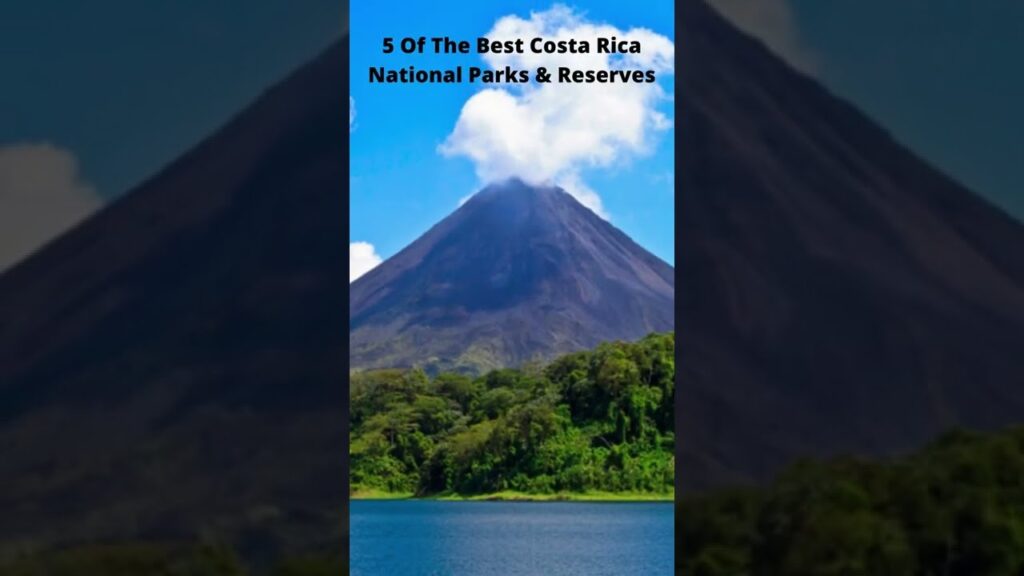
When I think about sustainability in travel, my mind immediately drifts to the vibrant, lush landscapes of Costa Rica—a country that has taken eco-consciousness to heart. Costa Rica, a beacon for sustainable tourism, offers us lessons on how each of us can make our travels more eco-friendly. As I traversed the verdant countryside, crossed serene beaches, and observed wildlife in its natural habitat, it was crystal clear why Costa Rica consistently leads by example.
### The Magic of Costa Rica
Costa Rica is not only a paradise for biodiversity but also a shining example of how tourism can be beneficial both for visitors and the environment. Nearly 26% of the country’s land is protected in national parks and reserves. Imagine waking up to the sight of sloths snuggled in the trees outside your bedroom window or spotting a majestic quetzal on a morning hike. It’s the kind of immersive experience that makes you feel like you’ve stepped into a nature documentary.
What can we learn from Costa Rica? First, take a leaf out of their book when it comes to energy solutions. Costa Rica generates the majority of its energy from renewable sources, primarily hydroelectric power, alongside wind, solar, and geothermal energy. Similarly, while traveling, opt for accommodations that use renewable energy or have sustainable practices in place.
### Practical Tips for Sustainable Travel
**1. Choose Eco-Friendly Accommodations:** Look for hotels and lodges that have sustainability certifications. This isn’t just about energy consumption; many places invest in community projects, waste reduction, and conservation efforts. In Costa Rica, plenty of eco-lodges immerse you in the lush rainforests while adhering to sustainable practices.
**2. Reduce Single-Use Plastics:** Carry a reusable water bottle, bamboo or metal straws, and cloth shopping bags. In places like Costa Rica, where the tap water is often safe to drink, this simple act prevents unnecessary waste.
**3. Transportation Choices:** Travel by train, bus, or shared shuttles rather than renting a car, or better yet, rent a bicyle for local exploration. Many communities, especially in scenic areas like Monteverde Cloud Forest or Santa Teresa Beach, offer beautiful trails that make traveling on two wheels both practical and delightful.
**4. Support Local Economies:** Spend your money on local guides, artisans, and eateries. When I tasted gallo pinto in a small, family-owned restaurant nestled amidst Costa Rican greenery, I was supporting the community directly, which often feeds back into the local ecosystem and economy.
**5. Respect Wildlife:** Observe animals in their natural habitats without disturbing them. This is crucial in a place rich in wildlife like Costa Rica; a respectful approach ensures these species thrive for future generations.
### Getting Inspired with Sustainable Products
While prepping for a Costa Rican adventure or anywhere else brimming with natural charm, having the right eco-friendly gear can make your trip smoother and greener. Consider a spacious beach tote made from recycled materials or a UV-resistant beach umbrella to stay mindful of the sun’s intensity without contributing to waste. High on my own checklist is a collapsible water bottle—a hero in reducing plastic use.
### Connecting Travel with Action
Travel-led inspiration often leads to reflection. How do my actions echo once the vacation ends? This is where “leave nothing but footprints, take nothing but memories” becomes more than a catchy phrase; it’s a reminder that these small efforts aggregate into substantial change.
Likewise, draw from your experience to inform your travel choices. Those handcrafted souvenirs or that local guide you booked for a cocoa plantation tour serve a dual purpose: they enrich your experience while fostering community and cultural preservation.
### Conclusion
Sustainable travel is not about perfection; it’s about progress. Each small decision on your journey can have a ripple effect. As I zipped through Costa Rica’s emerald landscapes and danced along its sun-kissed beaches, I realized the onus is on us—travelers—to protect these experiences.
So next time your wanderlusting heart starts plotting your escape to far-flung places, remember Costa Rica. Remember what it’s shown us about conservation, community, and creativity. And remember, your choices matter and have the power to sustain the wonders of our world for generations to come.