
Let’s face it, the concept of sustainable travel often conjures images of austere, low-lit accommodations and spartan woodland trips, but eco-friendly travel doesn’t have to mean sacrificing comfort or style. It’s about treading as lightly as you can and ensuring our planet stays as beautiful for future travelers as it has been for us. I thought it was high time to unpack what “sustainable travel” really means and how you—yes, you—can embark on eco-friendly adventures without needing to compromise on experiencing the best this world has to offer.
### Understanding Sustainable Travel: A Practical Approach
Let’s start by breaking it down into something practical. Sustainable travel means being mindful about your environmental impact, supporting local communities, and preserving cultural heritage. The good news is you don’t have to camp in the wilderness or avoid flying to make a difference. Small, thoughtful choices can have a substantial impact. For instance, choosing eco-friendly accommodations, minimizing waste, and respecting local customs are simple ways to start.
One of my most recent adventures took me to Costa Rica, a country that not only embraces but celebrates sustainable tourism. The Costa Ricans have a saying, “Pura Vida,” which means pure life, and they truly live by it, ensuring that tourism enriches rather than exploits.
### Eco-Friendly Lodging and Travel
Let’s talk about where you lay your head at night. Sustainable accommodations range from luxury eco-resorts to budget-friendly hostels, many of which incorporate renewable energy, waste reduction programs, and community involvement into their operations. In Costa Rica, I stayed at a lodge deep in the rainforest that actually educated guests about local conservation efforts and employed locals, providing a genuine community benefit. Look for certifications from recognized organizations like Green Key or EarthCheck when booking your stay.
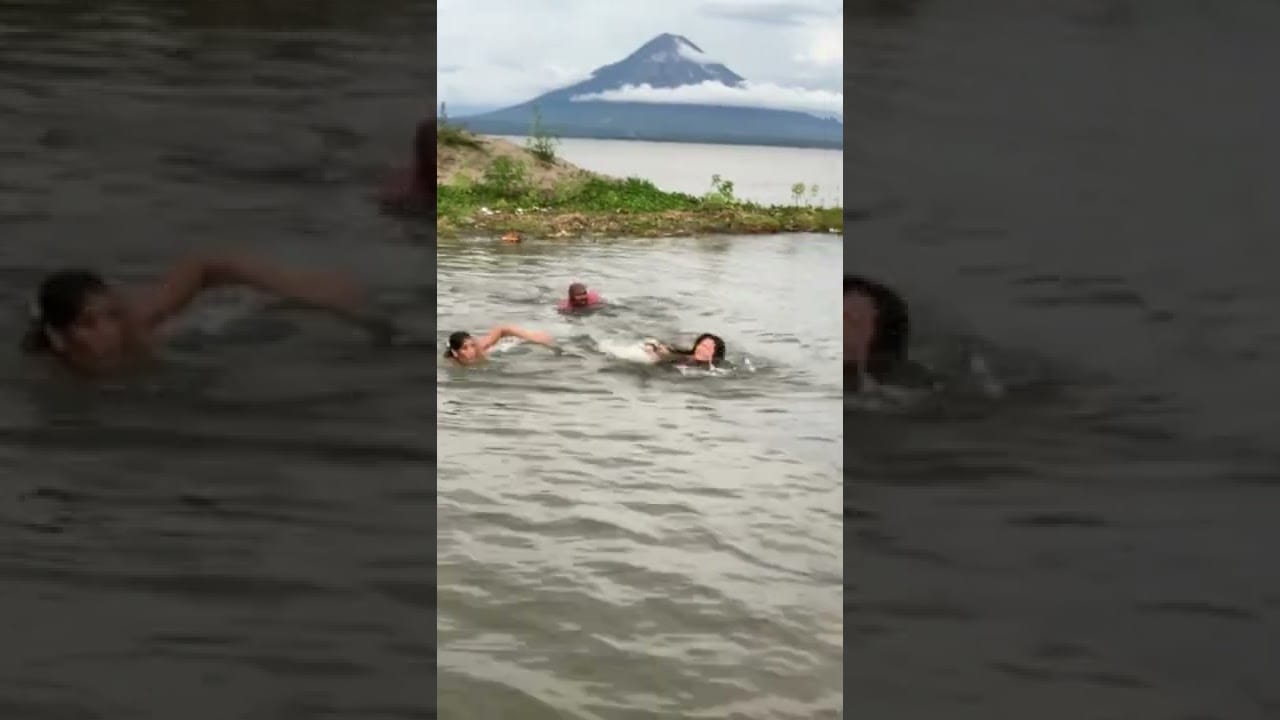
In your own travel adventures, aim for destinations that are accessible by public transportation, and use local transit options whenever possible. Not only does this reduce your carbon footprint, it immerses you in the local commute, offering a slice of daily life you’d miss otherwise. In some places, like the stunning Arenal Volcano area in Costa Rica, you can rent a bicycle and bike trails winding through lush landscapes, which is both eco-friendly and exhilarating.
### Packing and Consumption
Your suitcase can also be a tool for eco-friendly travel. Opt for eco-conscious products—think reusable water bottles, bamboo utensils, or solar-powered chargers. I’ve found some travel-sized toiletries that do double duty: they’re biodegradable and easy on local septic systems. It’s also wise to pack light; doing so reduces fuel consumption related to transport.
Whenever you purchase souvenirs, aim to support local artisans rather than mass-produced items. It’s a great way to gain insight into local arts and crafts while also ensuring your dollars support the community. For example, Costa Rica’s distinctive Boruca masks, made by indigenous craftsmen, are both striking and steeped in culture.
### Dining: Think Local and Low Impact
One of my favorite aspects of travel is the culinary exploration. Choosing where—and what—to eat is an opportunity to embrace eco-friendly practices. Opt for locally sourced, in-season foods that haven’t racked up miles being transported to your plate. In Costa Rica, I relished traditional gallo pinto, a hearty and delicious meal made from rice and beans that’s easy on the carbon footprint. And yes, do try the sustainably resourced coffee. By embracing local diets, you reduce food miles and perhaps, discover your new favorite dish.
### Experiences That Give Back
Engage in tours and experiences that are run by locals and give back to communities. In Costa Rica, I booked a guided tour with a local naturalist who led us through the jungle of Monteverde. Not only did it enhance my understanding of the ecosystem, but it also ensured my tourism dollars stayed local. Seek out volunteer programs or activities that involve restoration projects. Imagine helping with a beach cleanup or even planting trees—it’s an enriching way of leaving a positive mark.
### Connecting and Reflecting
A truly sustainable trip connects you more intimately to your destination. By taking steps to travel consciously, you cultivate a deeper respect for the world and the incredible places you visit. My recent journeys have taught me much about reducing impact while enriching my experience. Let travel be a two-way street: take in the sights, the sounds, the culture, and leave behind positivity, support, and awareness.
In the end, sustainable travel isn’t just about the choices we make—it’s a mindset. It’s about approaching everything with openness, mindfulness, and respect. So, the next time you zip up your suitcase, consider what small changes you can make that add up to a big difference.
Remember, the goal is not about perfection but about progress—a nudge in the right direction toward preserving the Pura Vida. Here’s to traveling responsibly and cherishing our planet’s resources for future explorers to enjoy. Safe travels, fellow adventurers!