
When I first embarked on my sustainable travel quest, I was a little unsure if I could really make a difference. But the deeper I delved into eco-friendly tourism practices, the more convinced I became that small adjustments in how we travel can indeed contribute significantly to preserving our planet. As you scroll through this article, imagine you’re sitting at a sun-dappled café, your mind flitting through postcards of distant shores. I’m here to fill in the details, demystifying the concept of sustainable travel while sharing some practical tips I’ve picked up on my own eco-journeys.
First off, let’s get on the same page about what sustainable travel really means. It’s not just about hugging trees or chanting around campfires. For me, it’s about responsible travel that minimizes negative impacts on the environment, boosts local economies, and respects local cultures. It’s all about curated choices — like choosing eco-lodging, or supporting local artisans when you’re on your shopping sprees rather than going for mass-produced souvenirs.
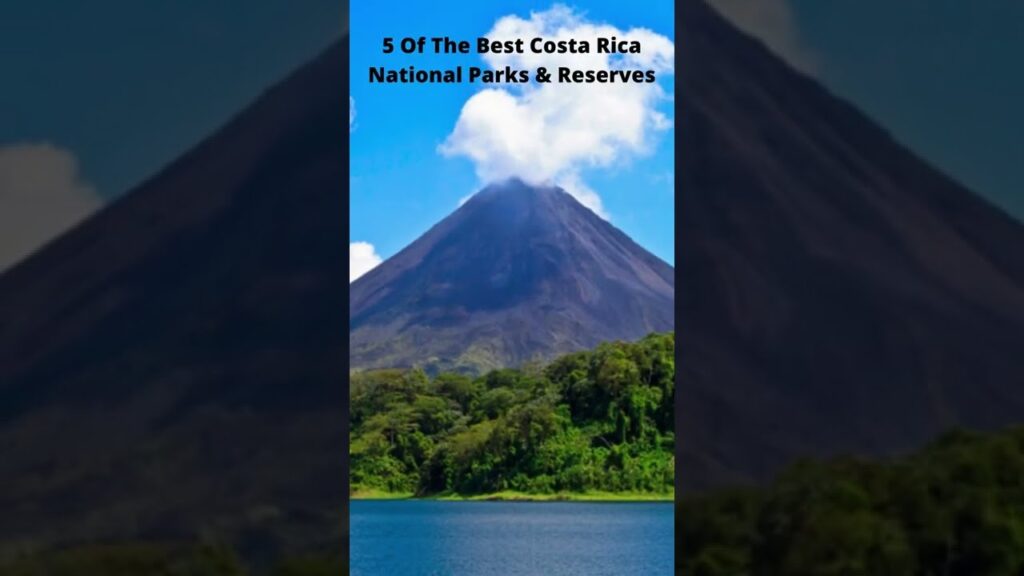
Take Costa Rica, a frontrunner in sustainable tourism. Visiting this lush Central American paradise, I was absolutely gobsmacked by how well they manage to marry tourism with sustainability. Picture this: you’re staying in a charming eco-lodge nestled in the heart of a rainforest, with toucans flitting through the canopy and a symphony of wildlife as your morning wake-up call. While many of these lodges are more expensive than typical hotels, remember that your money often goes to conservation projects and local communities, making it a worthwhile investment.
And then there’s the matter of getting around. Rent a modest car, perhaps even go fully electric if possible. In Costa Rica, they have a reliable network of shuttle buses that can take you across the country — these collective journeys are easier on your wallet, as well as the environment. If you want to slow things down a bit, consider a bike or even a good old pair of hiking boots for shorter distances. Trust me, there’s nothing quite like getting off the beaten path and stumbling upon a hidden waterfall or a secret beach.
Now, a critical piece of the green travel puzzle is homage to the local culture. Dive deep into the tapestry of the local way of life. Grab a seat at a family-run eatery, where you can relish homemade dishes and sometimes, interesting stories. It’s amazing how food can connect people from different walks of life, and supporting local businesses helps sustain communities. Pro tip: Bring a reusable water bottle to avoid buying plastic wherever you dine.
Let’s talk about what to pack. Your travel gear is an essential part of your eco-travel narrative. I usually carry a collapsible water bottle, a trusty stainless steel straw, and tote bags to steer clear of unnecessary plastic. It’s remarkable how these little switches reduce your plastic footprint. For hot and sticky landscapes like Costa Rica, biodegradable toiletries and reef-safe sunscreen are not just environmentally friendly but also often gentler on your skin.
While the urge to capture every moment of your travel on your phone is innate, there’s an ethical aspect to mind. Make sure your steps into the cultural and wildlife footprint of your destination are with the lightest impact. This means respecting wildlife by observing them from a respectful distance rather than trying to take a selfie with that adorable sloth or chasing after exotic birds for a better Instagram shot. Remember, these creatures are the permanent residents; we are just seasonal guests.
Learning about a place contributes to its preservation. Grab a guidebook — preferably from a local author — and actually read it. I’ve picked up some priceless nuggets from local guidebooks that influenced how I interacted with new destinations. These books can also be great conversation starters, and locals appreciate when you show interest in genuinely learning about their heritage and customs.
We can’t overlook the importance of enlightening those around you. Spirited conversations about your travel choices or even gifting someone a plantable postcard or a handwoven bag from a recent trip can inspire others to follow suit. It becomes a ripple effect, with each of us contributing a piece to the eco-conscious travel mosaic.
In the end, if there’s one thing my wanderings have taught me, it’s that our travels should not just leave us with great memories but also ensure that those beautiful destinations remain thriving for future generations to explore. Sustainable travel is not about being drastic; it’s about being conscious. It’s about leaving with stories, not scars on the environment. So, pop on your eco-friendly sunglasses, and let’s make the journey count.
I hope this find you well, embracing the joys of discovering new places with a heart full of intention and a backpack packed with mindfulness. Safe travels!