Sustainable travel, or eco-friendly travel, isn’t just a catchy phrase—it’s something that unfolds like a good book, chapter by chapter, each step leaving a tiny, almost imperceptible mark on the world. As my journey continues across diverse landscapes and cultures, I find myself increasingly captivated by ways to tread lightly, savor fully, and leave places a little better than I found them. Let’s dive into some practical tips and destination specifics that make sustainable travel not just a possibility, but a delightful reality.
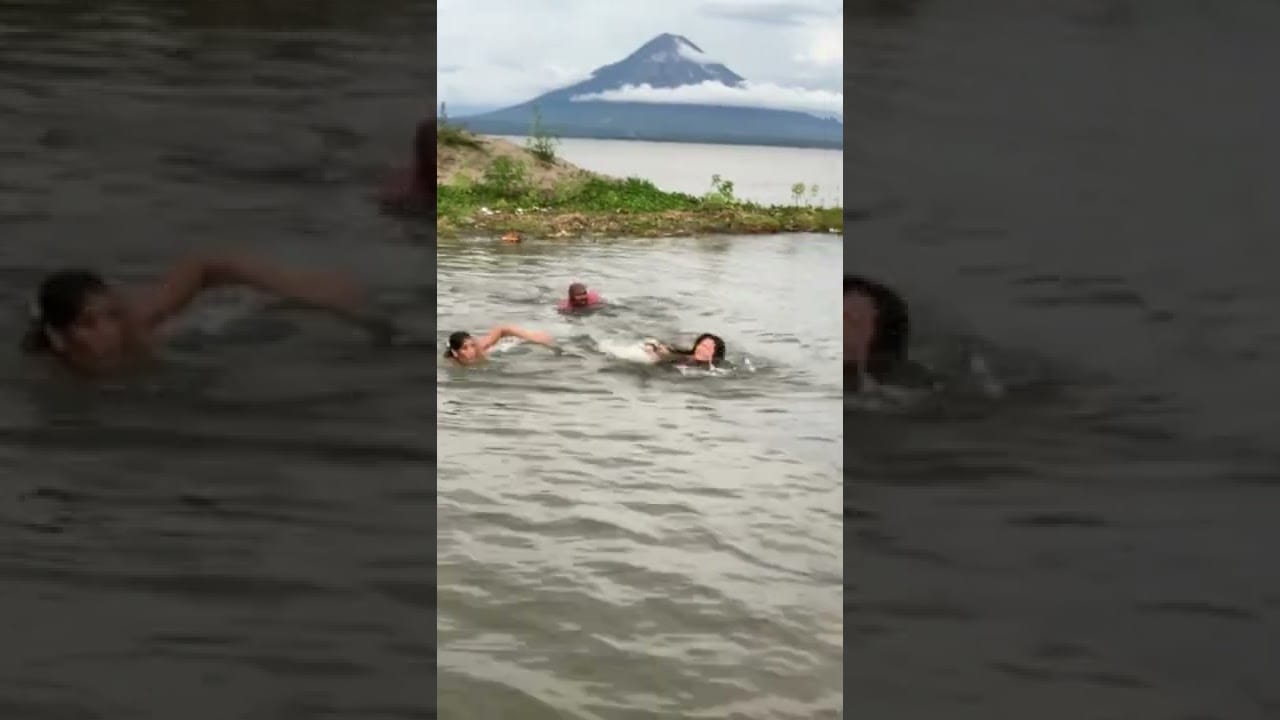
Imagine you’re standing at the foot of Arenal Volcano in Costa Rica, surrounded by lush green forests that buzz with life. It’s here where sustainable practices can truly come into focus. This Central American paradise is already a leader in ecotourism, making it an ideal place to start any conversation about sustainable travel.
**1. Sustainably Mapping Your Path**
When planning a trip like this, think about transportation. Costa Rica is blessed with efficient public transit, and for those heading off the beaten path, consider shared shuttle services or renting a hybrid or electric vehicle if you must drive. Bikes are increasingly popular in towns like Puerto Viejo—fun fact, renting a bike can drastically cut down your carbon footprint while giving you an opportunity to see hidden gems you might otherwise whizz by.
**2. Lodging with a Green Heart**
Accommodation choices can make a world of difference. Seek out eco-lodges committed to sustainability. These types of lodgings typically feature solar power, waste recycling, and water conservation efforts. For example, Lapa Rios Lodge, perched upon a ridge with breathtaking ocean views, not only offers an authentic rainforest experience but also invests in conservation and community engagement. It’s not just about where you sleep, but how your choices can positively influence the environment and the local economy.
**3. Trekking and Tours, the Eco-Friendly Way**
Guided tours are a staple of travel in Costa Rica, but choosing wisely can elevate your eco-friendly game. Look for tour operators who are accredited with sustainability certificates like the Costa Rica Tourism Board’s CST (Certificate for Sustainable Tourism). Companies offering guided treks in places like the Monteverde Cloud Forest involve naturalists to educate travelers about local flora, fauna, and preservation methods, effectively bridging the gap between excitement and education.
**4. Eating Local, Eating Well**
There’s much to be said for eating as the locals do. Opt for farm-to-table experiences or markets that showcase local produce. In Costa Rica, the “soda” (small, family-run eateries), offers traditional dishes such as “casado,” ensuring not only an authentic culinary experience but a reduced environmental impact—the fewer the food miles, the better.
**5. Reducing, Reusing, Recycling**
Travel essentials can play a major role in sustainability. Consider packing items that minimize your waste impact, like a reusable water bottle—Costa Rica’s tap water is often potable—and a collapsible tote for shopping instead of using single-use bags. My personal favorites always include a compact set of travel cutlery which stays on my person for any impromptu meals or takeouts.
**6. Leave No Trace**
Exploring Costa Rica’s vast natural playground, with its hummingbirds darting through canopy layers, and monkeys scrambling in the underbrush, is a privilege. Respecting this privilege involves sticking to marked trails, giving wildlife the space they require, and taking all trash, including biodegradable elements, with you—nature has its own timeline for decomposition that doesn’t align with our impatience.
A journey through Costa Rica offers more than a vacation; it provides a blueprint for sustainable travel, a lesson in how travel can energize and regenerate, rather than extract and exhaust. By following these simple practices, you not only help preserve Costa Rica’s breathtaking beauty but set a standard for all your future travels, ensuring that the slam of the car door isn’t the last impression you leave behind.
In the end, every footprint matters, every plastic bottle avoided counts, and every conversation about sustainability leaves a ripple. Whether you’re diving into the azure waters off Manuel Antonio or watching a sunset from your eco-friendly lodge, you’ll find that the soul of sustainable travel lies in respect—for the land, the people, and the traveler itself. Travel light, travel smart, and above all, travel kind.