
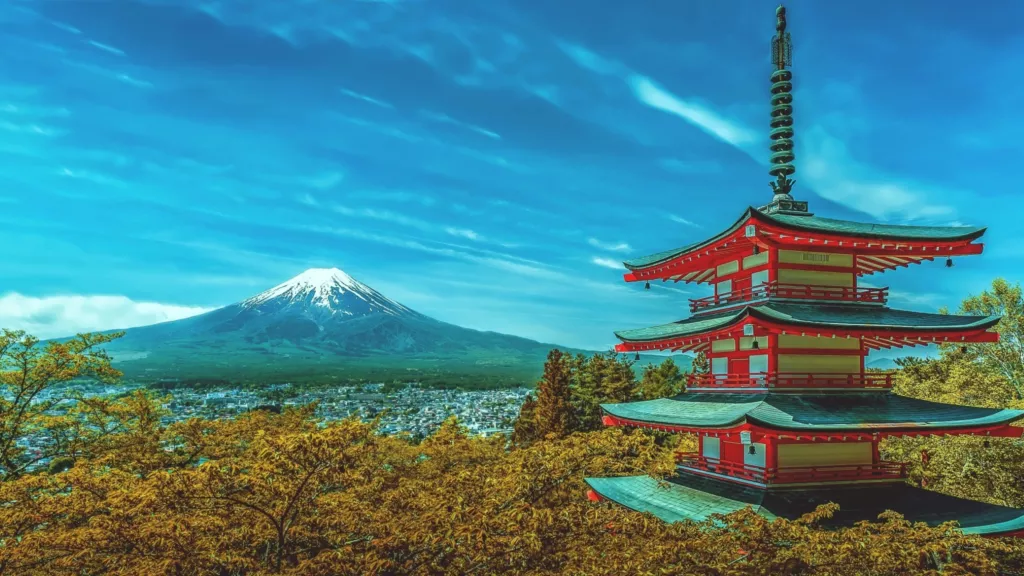
Traveling to Japan can feel like stepping into another world—a blend of centuries-old traditions and space-age innovation. It’s a country where you can sip matcha in a centuries-old tea house one moment and then hop on a bullet train going 200 miles an hour the next. I’ve visited Japan a few times now, and each trip has been an enriching adventure. Whether you’re a first-timer heading to the Land of the Rising Sun or a seasoned traveler, here are five must-know tips to make your Japanese journey as smooth as possible in 2023.
**1. Travel Documents and Currency Concerns**
First things first, let’s sort out the paperwork and yen. Make sure your passport is up to date and check visa requirements well in advance. Japan has visa exemptions for many nationalities for short stays, but it’s crucial to verify this information based on your specific country of origin.
Regarding currency, the Japanese Yen (JPY) is king. While Japan is a global leader in technology, it remains a cash-centric society. That said, credit cards are increasingly accepted, especially in urban centers, but I still recommend keeping cash handy for use in smaller shops or rural areas. Many ATMs in convenience stores, post offices, and some banks accept international cards. Pro tip: Get a FeliCa-equipped IC card like Suica or Pasmo when you land. It’s not only convenient for public transportation but can also be used for small purchases in convenience stores and vending machines.
**2. Bridging the Language Barrier**
Japanese is the primary language, and though English is taught in schools, it’s not widely spoken in everyday scenarios, particularly outside the tourist areas. A translation app like Google Translate is your best friend here, or better yet, learn a few basic Japanese phrases. Even a simple “Arigatou” (thank you) or “Sumimasen” (excuse me) can go a long way in establishing good rapport with locals. Japanese people are generally very polite and appreciate the effort when foreigners attempt to speak their language.
**3. Timing Your Visit**
When to visit Japan really depends on what you want to experience. Spring and autumn are favorites for most travelers. March to May brings the cherry blossoms—Sakura season—painting landscapes pink and attracting visitors from all over the world. Fast forward to fall (September to November), and you’re treated to the breathtaking koyo, or autumn foliage. Personally, I love wandering through Kyoto’s temples with a backdrop of bold reds and yellows. Just be prepared for crowds, especially during these peak periods.
Summer can be uncomfortably humid and is also typhoon season, though it’s a good time to explore the northernmost island of Hokkaido, known for its comfortable summer temperatures and lush landscapes. Wintertime, on the other hand, transforms Japan into a snow-filled wonderland. If skiing is your thing, the slopes in Hokkaido and the Japanese Alps are world-class.
**4. Mastering Local Etiquette**
Japan is a country deeply rooted in respect and politeness, and understanding cultural norms can make a huge difference in your experience. Here are a few essentials: Always remove your shoes when entering a home, traditional accommodation (ryokan), or certain restaurants. Speaking of food places, tipping is not customary in Japan; instead, exemplary service is expected as the norm. If you try to tip, it might cause confusion or even be turned down.
When visiting temples and shrines, bow slightly before entering and leaving, and maintain a peaceful demeanor. Be mindful of noise levels on public transportation; phone calls are frowned upon and speaking loudly is seen as inconsiderate.
**5. Getting Around: The Transportation Puzzle**
Navigating through Japan is a joy thanks to its efficient public transportation. The Shinkansen, or bullet train, is not only a marvel to ride but is also the most efficient way to travel long distances. The Japan Rail Pass can save you a bundle if you plan on doing a lot of traveling between cities. Consider purchasing it before you arrive, as it’s not available for sale in Japan. Just remember, the JR Pass doesn’t cover all trains, so check routes in advance.
In cities like Tokyo and Osaka, subways and buses are clean, punctual, and easy to use. Keep in mind rush hour times to avoid overcrowded trains. For something a bit more fun, why not try biking in the quieter towns or even parts of Kyoto and Nara where bike rentals are readily available?
In conclusion, visiting Japan demands a bit of preparation but is rewarding beyond words. Whether you’re indulging in its exquisite cuisine, basking in its natural beauty, or wondering at its technological marvels, being mindful of these tips can deepen your experience in ways you might not expect. So, pack your bags, charge your camera, and get ready for a journey through the fascinating contrasts of Japan! Safe travels, fellow adventurers.